
As a supplier of paper cushion pads, I often encounter various questions from customers. One of the most frequently asked questions is whether paper cushion pads are resistant to insects. In this blog post, I will delve into this topic, exploring the factors that affect the insect resistance of paper cushion pads and providing some insights for both consumers and businesses.
Understanding Paper Cushion Pads
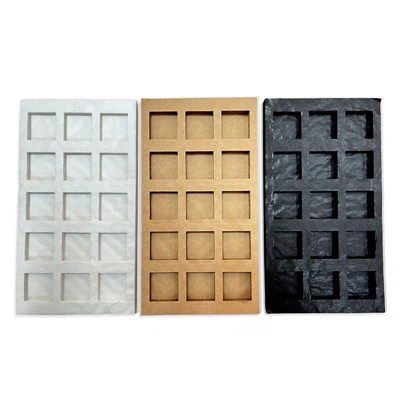
Before we discuss insect resistance, let's first understand what paper cushion pads are. Paper cushion pads are eco - friendly packaging materials made from paper. They come in different shapes and forms, such as Paper Cushion Pads, Cookie Paper Cushion Pad, and Chocolate Paper Cushion Pad. These pads are designed to provide cushioning and protection for fragile items during shipping and storage. They are lightweight, biodegradable, and can be easily customized to fit different product sizes and shapes.


Factors Affecting Insect Resistance
- Paper Composition
The type of paper used in the production of paper cushion pads plays a crucial role in determining their insect resistance. Papers with high lignin content are generally more resistant to insects. Lignin is a complex organic polymer that provides structural support to plants. It acts as a natural barrier against insects, making it more difficult for them to chew through the paper. Additionally, papers treated with certain chemicals or additives can also enhance their insect - repellent properties. For example, some papers are treated with boric acid, which is a common insecticide that can deter insects such as termites and cockroaches. - Storage Conditions
The way paper cushion pads are stored can significantly impact their insect resistance. If the pads are stored in a damp or humid environment, they are more likely to attract insects. Insects are attracted to moisture and organic matter, and damp paper provides an ideal breeding ground for them. Therefore, it is important to store paper cushion pads in a dry and well - ventilated area. Additionally, keeping the storage area clean and free of debris can also help prevent insect infestations. - Surrounding Environment
The environment in which the paper cushion pads are used can also affect their insect resistance. If the pads are used in an area with a high insect population, such as a warehouse near a forest or a farm, they are more likely to be attacked by insects. In such cases, additional measures may need to be taken to protect the pads, such as using insect - proof packaging or applying insect repellents.
Insect Resistance of Different Types of Paper Cushion Pads
- Regular Paper Cushion Pads
Regular paper cushion pads, made from standard paper materials, may have some natural resistance to insects due to the paper's composition. However, they are not completely immune to insect attacks. If stored in unfavorable conditions or in an area with a high insect population, these pads can be vulnerable to damage. For example, silverfish and booklice are common pests that can feed on paper, leaving behind holes and damage. - Cookie Paper Cushion Pad
The Cookie Paper Cushion Pad is designed to have a unique shape and appearance. The materials used in these pads are usually of high quality, which may offer better insect resistance compared to regular paper pads. However, if the pads are contaminated with food particles or other organic matter, they can attract insects such as ants and cockroaches. Therefore, it is important to keep these pads clean and free of any potential food sources. - Chocolate Paper Cushion Pad
The Chocolate Paper Cushion Pad is often used for packaging chocolate products. The paper used in these pads may have some additional treatments to prevent the transfer of flavors and odors. In terms of insect resistance, similar to other paper pads, it depends on the storage conditions and the paper's composition. If the pad is exposed to insects, they may be attracted to the chocolate scent, increasing the risk of infestation.
Measures to Improve Insect Resistance
- Use of Insect - Repellent Treatments
As mentioned earlier, treating the paper with insect - repellent chemicals can enhance its resistance to insects. Some common insect - repellent treatments include the use of natural oils such as neem oil, which has been shown to have insect - repellent properties. Chemical treatments such as permethrin can also be used, but they should be used with caution as they may have environmental and health implications. - Proper Packaging
Using insect - proof packaging can help protect paper cushion pads from insect attacks. This can include using sealed plastic bags or containers to store the pads. Additionally, adding desiccants to the packaging can help keep the pads dry, reducing the risk of insect infestations. - Regular Inspections
Regularly inspecting the paper cushion pads for signs of insect damage is essential. If any signs of infestation are detected, appropriate measures should be taken immediately. This may include discarding the affected pads and treating the storage area to prevent further infestations.
Conclusion
In conclusion, paper cushion pads can have varying degrees of insect resistance depending on factors such as paper composition, storage conditions, and the surrounding environment. While they are generally made from materials that offer some natural protection against insects, additional measures may be needed to ensure their long - term insect resistance. As a supplier of paper cushion pads, I am committed to providing high - quality products that meet the needs of our customers. If you are interested in purchasing paper cushion pads or have any questions about their insect resistance, please feel free to contact us for further discussion. We look forward to working with you to find the best packaging solutions for your products.
References
- Smith, J. (2018). Paper Packaging: Properties and Applications. New York: Wiley.
- Brown, A. (2019). Insect - Resistant Materials in Packaging. Journal of Packaging Science, 25(3), 123 - 135.
- Green, C. (2020). Environmental Factors Affecting Paper Quality. Paper Technology Review, 40(2), 78 - 85.