
In today's world, environmental protection has become a global concern. As an envelope supplier, I am acutely aware of the impact our products can have on the environment. In this blog, I will share some practical ways to make envelopes more eco - friendly, which not only benefits the planet but also meets the growing demand from environmentally - conscious customers.
1. Material Selection
The choice of materials is the cornerstone of creating eco - friendly envelopes. Traditional envelopes are often made from virgin paper, which requires a significant amount of natural resources and energy to produce. To make envelopes more sustainable, we can opt for recycled paper.
Recycled paper is made from post - consumer waste, such as old newspapers, magazines, and office paper. By using recycled paper, we reduce the demand for virgin wood pulp, which helps to conserve forests. Additionally, the production of recycled paper consumes less water and energy compared to virgin paper production. For example, recycling one ton of paper can save approximately 17 trees, 7,000 gallons of water, and enough energy to power an average household for six months.
Another option is to use sustainable fibers like bamboo or hemp. Bamboo is a fast - growing plant that can be harvested in a relatively short time, making it a renewable resource. Hemp is also a great alternative as it requires less water and pesticides compared to traditional crops. These materials can be processed into high - quality paper for envelopes.


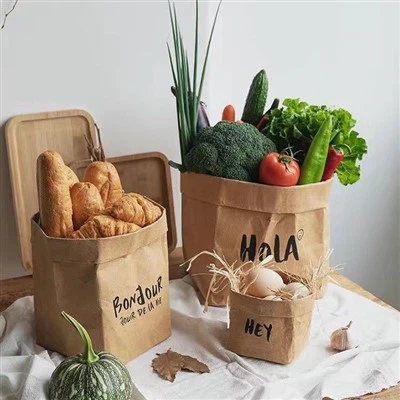
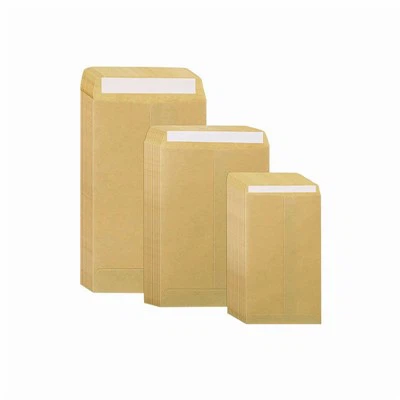
Our company offers a variety of eco - friendly envelope options. For instance, our White Cardboard Envelope Bags are made from recycled cardboard, providing a sturdy and eco - friendly solution for mailing. Our Kraft Paper Envelope Bags are made from natural kraft paper, which is often sourced from sustainably managed forests.
2. Printing and Finishing
Printing and finishing processes can also have a significant impact on the environmental footprint of envelopes. Traditional printing methods often use large amounts of ink, which can contain harmful chemicals and solvents. To reduce this impact, we can adopt more eco - friendly printing techniques.
One option is to use soy - based inks. Soy - based inks are made from soybeans, a renewable resource, and are less toxic compared to petroleum - based inks. They also have better color quality and are easier to recycle. Additionally, digital printing can be a more environmentally friendly option as it allows for on - demand printing, reducing waste from overprinting.
In terms of finishing, we can avoid using excessive laminates or coatings. Laminates and coatings can make envelopes difficult to recycle and may contain harmful substances. Instead, we can use natural finishes like wax or vegetable - based coatings, which are biodegradable and do not harm the environment.
Our Printed Envelope Bags are printed using soy - based inks, ensuring that our customers receive high - quality printed envelopes with a reduced environmental impact.
3. Design for Recycling
Designing envelopes with recycling in mind is crucial for making them more eco - friendly. Envelopes should be easy to separate into their component parts, such as the paper, adhesive, and any inserts. For example, we can use water - soluble adhesives instead of traditional glues, which can be easily removed during the recycling process.
We can also design envelopes with minimal additional materials. Avoid using plastic windows or other non - paper elements that can contaminate the recycling stream. If a window is necessary, we can use a biodegradable or compostable alternative.
4. Packaging and Shipping
The packaging and shipping of envelopes also contribute to their overall environmental impact. We can use recycled and recyclable packaging materials, such as corrugated cardboard boxes, to reduce waste. Additionally, optimizing the shipping process can help to reduce carbon emissions.
One way to do this is by using more efficient shipping methods, such as consolidating orders and using carriers with a lower carbon footprint. We can also encourage customers to choose slower shipping options, which generally have a lower environmental impact.
5. Educating Customers
Educating our customers about the importance of eco - friendly envelopes is essential. We can provide information on our website, product labels, and marketing materials about the environmental benefits of our envelopes. By raising awareness, we can encourage customers to make more sustainable choices.
We can also offer incentives for customers to recycle their envelopes. For example, we can provide a discount on their next purchase if they return their used envelopes for recycling.
6. Continuous Improvement
The journey towards making envelopes more eco - friendly is an ongoing process. We should continuously evaluate and improve our manufacturing processes, materials, and designs. By staying up - to - date with the latest environmental technologies and best practices, we can ensure that our envelopes are as sustainable as possible.
Conclusion
Making envelopes more eco - friendly is not only a moral obligation but also a smart business decision. As consumers become more environmentally conscious, they are increasingly looking for sustainable products. By offering eco - friendly envelopes, we can attract more customers and contribute to a healthier planet.
If you are interested in purchasing our eco - friendly envelopes or have any questions about our products, please feel free to contact us. We are committed to providing high - quality, sustainable envelope solutions to meet your needs.
References
- Environmental Protection Agency (EPA). (n.d.). Recycling Basics. Retrieved from [EPA website]
- Forest Stewardship Council (FSC). (n.d.). What is FSC? Retrieved from [FSC website]
- Sustainable Packaging Coalition. (n.d.). Packaging and the Environment. Retrieved from [Sustainable Packaging Coalition website]