Classification by Material
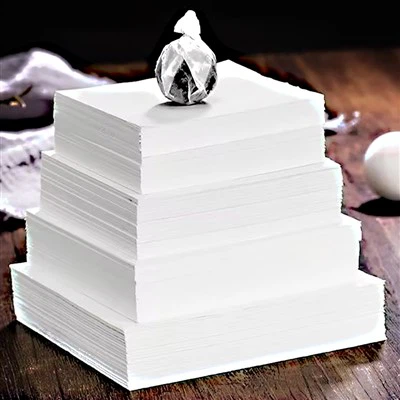
White Cardboard Bags: Made from high-density white cardboard, these bags have a smooth surface, good stiffness, and excellent printing results. They are commonly used in high-end retail packaging (such as cosmetics and jewelry). Their weight is typically between 210-350 g/m². Lamination can improve water resistance and abrasion resistance, making them suitable for carrying light to medium-sized items.
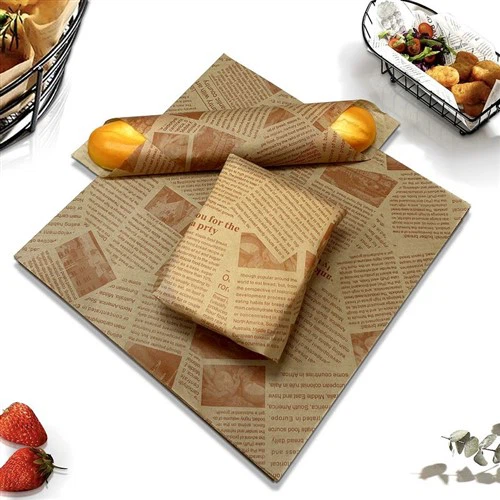
Kraft Paper Bags: Made from natural wood pulp, these bags come in white and yellow kraft paper. Their advantages include being environmentally friendly and biodegradable, having high load-bearing capacity (capable of carrying 5-15 kg), and relatively low cost. They are widely used in food packaging (such as bread and coffee) and express delivery.
Coated Paper Bags: Made from coated paper, these bags have a high gloss and strong color reproduction, making them suitable for applications requiring high-precision printing (such as brand promotion and art exhibitions). However, they are less stiff and usually require lamination or mounting processes. Specialty paper bags include matte paper, pearlescent paper, flocked paper, etc. They are made with special processes to give paper bags a tactile or visual effect. For example, matte paper bags have a low-key luxury feel, while pearlescent paper bags have a shiny texture. They are often used for luxury goods or holiday gift packaging.
Classification by Structure
Flat Bags: Simple in structure, with the opening flush with the bottom. They are formed by gluing or sewing and are suitable for lightweight items (such as stationery and small ornaments). Inexpensive, but with limited load-bearing capacity.
Tote Bags: Equipped with handles, which can be rope, paper, or plastic, these are the mainstream choice in the retail industry. Depending on the handle attachment method, they can be perforated and threaded, glued, or embedded, offering great design flexibility.
Square Bottom Bags: Square-bottomed bags are formed through folding or heat-sealing processes, providing excellent stability and suitable for liquids or bulk items (such as juice and candy). Some square bottom bags are equipped with zippers or self-sealing closures for improved sealing.
Irregularly Shaped Bags: Die-cut into special shapes (such as hearts or stars) and often used for holiday promotions or brand marketing to attract consumer attention.