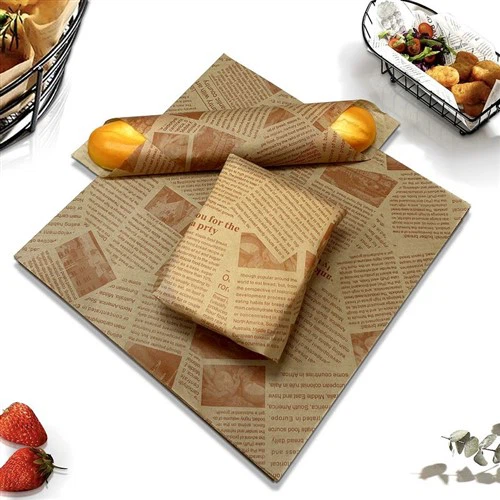
Cushioning paper pads are prepared using a mixture of mercerized wood pulp, softwood pulp, and hardwood pulp as fiber raw materials, with the addition of wet strength agents, silicone emulsions, reinforcing agents, and other additives. The main production processes include feeding, pulping, refining, adding additives, forming on wire, pressing, drying, winding, slitting, and packaging. Cushioning paper produced through this process has advantages such as good dry and wet strength, air permeability, pressure resistance, resistance to high-temperature yellowing, excellent cushioning performance under high temperature and pressure, and a long service life.
As an environmentally friendly, lightweight packaging material with good cushioning performance, cushioning paper pads have a wide range of applications. They are mainly used in e-commerce product packaging, such as the transportation protection of electronic products, glassware, ceramics, and handicrafts; industrial product packaging, such as the shock absorption and securing of instruments and components; wrapping and filling items during moving; inner lining of gift packaging; and in warehousing and logistics, used to fill gaps in boxes to prevent goods from moving and colliding. In addition, cushioning paper plays an important role in the packaging of fragile or high-value products such as cosmetics, artwork, and precision electronic and mechanical equipment.