There are many types of packaging paper materials available, and various types can be selected depending on the application and requirements.
Here are some common types of packaging paper materials and their characteristics:
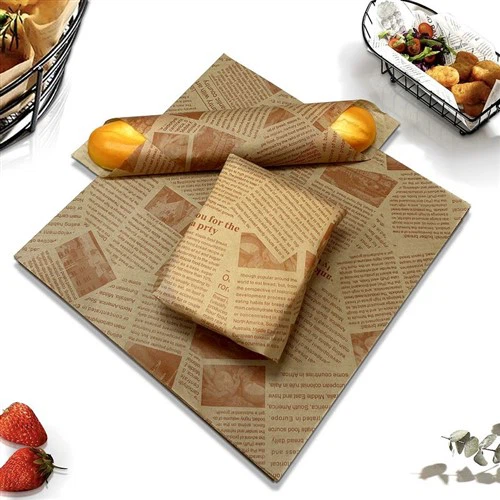
Kraft Paper: Kraft paper is known for its high strength and good toughness, and is typically used to make heavy-duty packaging bags or packaging that needs to withstand significant weight. It is mostly brown in color, has a natural texture, and is recyclable, meeting environmental protection requirements.
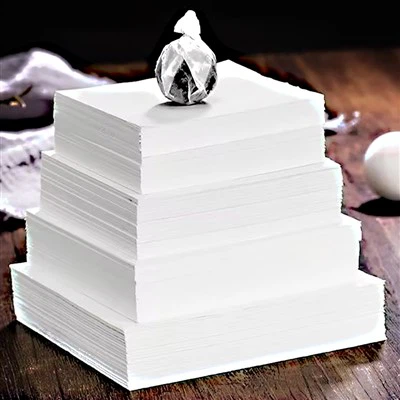
White Cardboard: White cardboard is a thicker type of cardboard with a smooth surface and high whiteness. It is often used to make high-end gift boxes, cosmetic packaging boxes, etc. It has excellent printing effects, capable of displaying clear and vibrant patterns and text.
Corrugated Paper: Corrugated paper is made by bonding one or more layers of corrugated cardboard and linerboard together. It has good cushioning properties and compressive strength, and is widely used in logistics and transportation packaging. Corrugated paper comes in various types, classified into A, B, C, E, etc., based on the shape and number of corrugations.
Coated Paper: Coated paper has a white coating and undergoes supercalendering, resulting in extremely high smoothness and gloss. It is suitable for packaging requiring fine printing, such as food and pharmaceutical packaging.
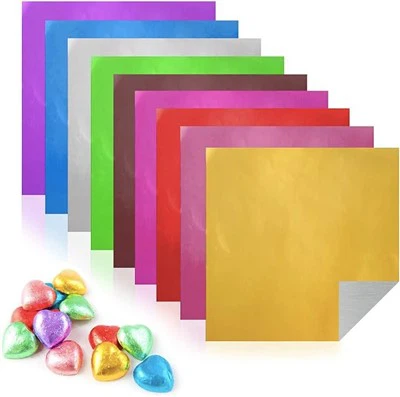
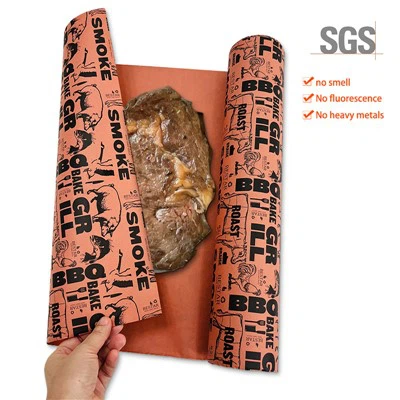
Specialty Paper: Specialty paper refers to paper with special uses or properties, such as moisture-proof paper, waterproof paper, fire-retardant paper, and oil-proof paper. These papers are custom-made according to specific needs.
Recycled Paper: Recycled paper is made from waste paper through processing. It is environmentally friendly and resource-saving, and is widely used in various packaging fields.
Laminated Paper: Composite paper is made by bonding two or more layers of different materials together using a lamination process. It possesses the advantages of multiple materials, such as moisture resistance, water resistance, oil resistance, and tear resistance.