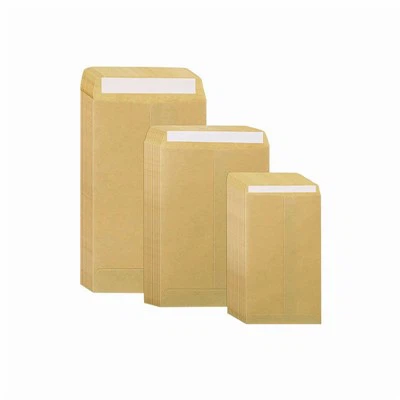

As a supplier of Printed Envelope Bags, I often get asked whether these bags can be used for storing artworks. This is a question that combines both practicality and the need to preserve the integrity of valuable art pieces. In this blog, I'll explore the suitability of using printed envelope bags for storing artworks, considering various factors such as material quality, protection, and aesthetic aspects.
Material Considerations
One of the first things to consider when using printed envelope bags for artwork storage is the material of the bags. We offer a range of materials, including Kraft Paper Envelope Bags and White Cardboard Envelope Bags.
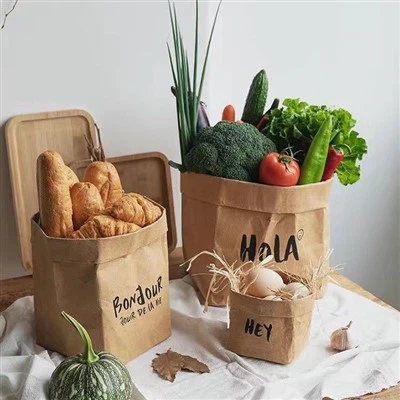
Kraft paper is a popular choice due to its natural and eco - friendly properties. It is strong and durable, which can provide a certain level of protection for artworks. The rough texture of kraft paper also gives a rustic and natural look, which might be appealing for some types of art, such as handmade or vintage pieces. However, kraft paper is more porous compared to other materials, which means it may not be as effective in protecting against moisture and dust.
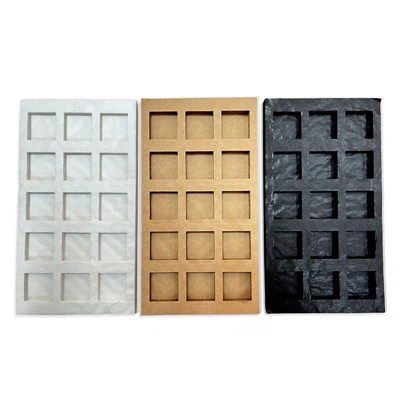
On the other hand, white cardboard is sturdier and more rigid. It offers better protection against physical damage, such as bending or creasing. White cardboard envelope bags can also give a more professional and clean look, which is suitable for storing high - end or modern artworks. They are less porous than kraft paper, providing better resistance to moisture and dust.
Protection Against Environmental Factors
Artworks are sensitive to various environmental factors, including light, humidity, and temperature. Printed envelope bags can offer some level of protection against these elements.
When it comes to light, most printed envelope bags can block a significant amount of light, which is crucial for preventing the fading of artworks. However, if the art is extremely light - sensitive, additional measures such as storing the bags in a dark place or using light - blocking liners may be necessary.
Humidity is another important factor. As mentioned earlier, materials like white cardboard are better at resisting moisture compared to kraft paper. To further protect artworks from humidity, desiccant packs can be placed inside the envelope bags. This helps to absorb any excess moisture and maintain a stable environment for the art.
Temperature fluctuations can also affect artworks. Printed envelope bags can act as a buffer to some extent, but it's still important to store the bags in a place with a relatively stable temperature, such as a climate - controlled room.


Aesthetic Considerations
The printed design on the envelope bags can add an extra layer of aesthetic value to the stored artworks. Custom - printed designs can be tailored to match the style of the art or the brand of the artist. For example, if the artwork is a modern abstract piece, a sleek and minimalist printed design on the envelope bag can enhance the overall look.
However, it's important to ensure that the printing process does not damage the artworks. High - quality printing techniques should be used to prevent ink transfer or other issues. At our company, we use advanced printing technologies to ensure that the printed envelope bags are not only visually appealing but also safe for storing artworks.
Size and Fit
Proper size and fit are essential when using printed envelope bags for artwork storage. The bag should be large enough to accommodate the artwork without forcing it in, which could lead to creasing or damage. At the same time, it should not be too large, as this can allow the artwork to move around inside the bag, increasing the risk of damage.
We offer a variety of sizes of Printed Envelope Bags to meet different needs. Whether you have small sketches or large paintings, we can provide the appropriate size of envelope bag.
Handling and Storage
When handling artworks stored in printed envelope bags, it's important to be gentle. Avoid rough handling or dropping the bags, as this can cause damage to the art. It's also a good idea to label the bags clearly with information about the artwork, such as the title, artist, and date.
For long - term storage, the bags should be stored in a dry, cool, and dark place. Stacking the bags carefully can help to save space, but make sure not to stack them too high to avoid putting excessive pressure on the artworks.
Conclusion
In conclusion, printed envelope bags can be a suitable option for storing artworks, provided that the right material, size, and handling methods are used. Our Printed Envelope Bags offer a combination of protection, aesthetic appeal, and practicality. Whether you're an artist looking to store your own works or a collector managing a collection, our printed envelope bags can meet your needs.
If you're interested in purchasing our printed envelope bags for artwork storage or have any questions, we invite you to contact us for a detailed discussion. We are committed to providing high - quality products and excellent customer service. Let's work together to find the best solution for your artwork storage needs.
References
- "The Care and Handling of Artworks" - A comprehensive guide on art preservation.
- "Materials for Art Storage" - Research on different materials used for storing art.