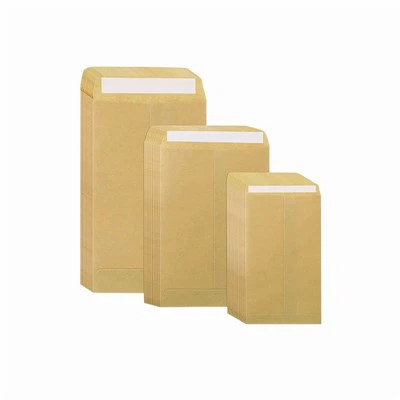

In the realm of food packaging, the choice between food wrapping paper and waxed cardboard plays a pivotal role in ensuring food safety, freshness, and presentation. As a supplier of high - quality food wrapping paper, I've witnessed firsthand the unique features and applications of both materials. In this blog, I'll delve into a comprehensive comparison of food wrapping paper and waxed cardboard for food use.
Material Composition and Properties
Food wrapping paper is typically made from paper pulp, which can be sourced from various types of wood or recycled paper. It is often treated with food - safe coatings to enhance its performance. These coatings can be water - resistant, grease - resistant, or have anti - microbial properties. For example, some food wrapping papers are coated with a thin layer of polyethylene, which provides a barrier against moisture and grease.
On the other hand, waxed cardboard is composed of cardboard, which is a thicker and more rigid material compared to paper. The cardboard is then coated with wax, usually paraffin wax. This wax coating gives the cardboard excellent moisture resistance. The wax fills the pores of the cardboard, preventing water from seeping through and protecting the food inside from getting soggy.
Food Safety
When it comes to food safety, both food wrapping paper and waxed cardboard have their advantages. Food wrapping paper, especially those certified as food - grade, is designed to be in direct contact with food. The coatings used on the paper are carefully selected to ensure they do not leach harmful chemicals into the food. For instance, the polyethylene coating mentioned earlier is widely recognized as safe for food contact.
Waxed cardboard also meets food safety standards. The wax used in waxed cardboard is typically food - grade, and it forms a protective layer between the food and the cardboard. However, there is a concern that if the wax is not of high quality, it may melt or release small particles into the food under certain conditions, such as high temperatures.
Preservation of Food Freshness
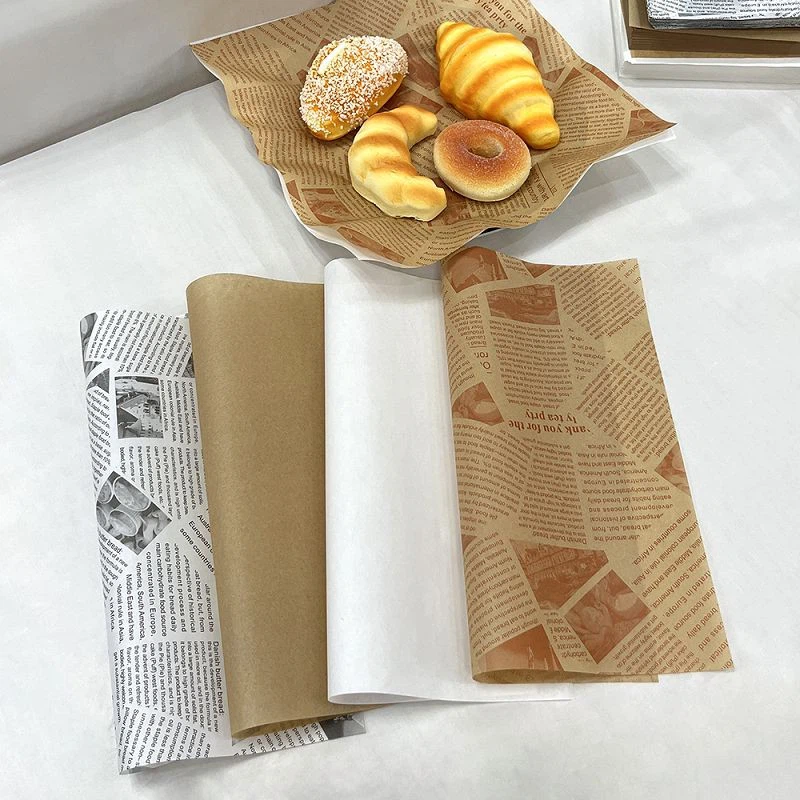
Food wrapping paper can be very effective in preserving food freshness, especially for dry or semi - dry foods. Its thin and flexible nature allows it to conform closely to the shape of the food, reducing air exposure. For example, when wrapping a loaf of bread, food wrapping paper can keep the bread fresh by preventing it from drying out too quickly.
Waxed cardboard, with its moisture - resistant properties, is ideal for foods that need to be protected from moisture. It is commonly used for packaging fruits, vegetables, and dairy products. The wax coating acts as a barrier, preventing the food from absorbing moisture from the environment and keeping it fresh for a longer period.
Environmental Impact
In recent years, environmental concerns have become a major factor in the choice of food packaging materials. Food wrapping paper has an edge in this regard. Most food wrapping papers are made from renewable resources, and many are recyclable. Additionally, some suppliers offer biodegradable food wrapping paper, which breaks down naturally in the environment.
Waxed cardboard, while also made from paper - based materials, can be more challenging to recycle. The wax coating needs to be removed before the cardboard can be recycled, which adds an extra step to the recycling process. However, some advanced recycling technologies are emerging that can handle waxed cardboard more efficiently.
Aesthetic Appeal and Branding
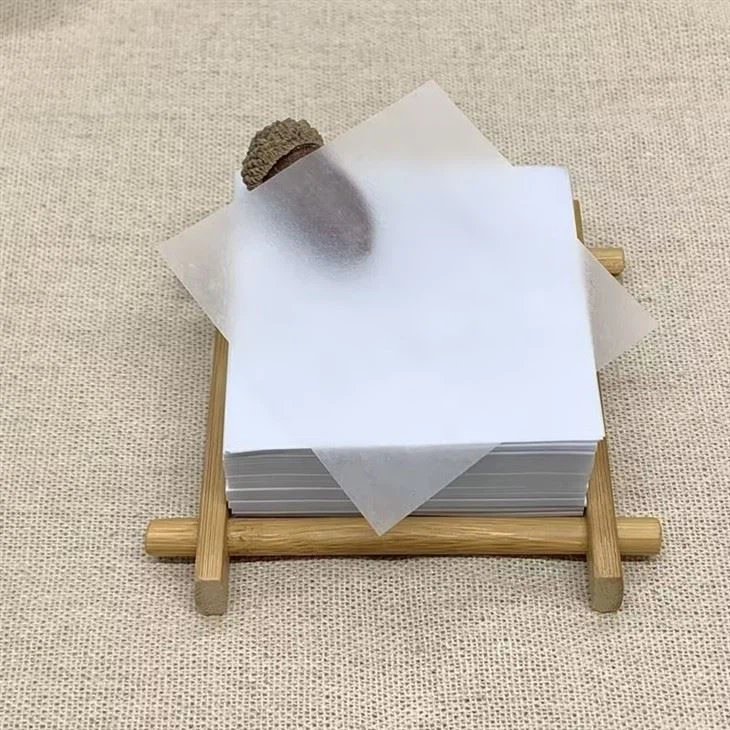
Food wrapping paper offers a wide range of design possibilities. It can be printed with various colors, patterns, and logos, making it an excellent choice for branding. Whether you are wrapping a single piece of chocolate or a gift basket of food items, Food Gift Wrap can be customized to match your brand identity. For chocolate products, Chocolate Gift Wrapping Paper can be designed with elegant and eye - catching patterns to enhance the product's appeal.
Waxed cardboard, on the other hand, has a more rustic and sturdy look. It is often used for packaging products where a more traditional or industrial appearance is desired. However, it may not offer as much flexibility in terms of design as food wrapping paper.
Cost - effectiveness
The cost of food wrapping paper and waxed cardboard can vary depending on factors such as quality, quantity, and customization. Generally, food wrapping paper is more cost - effective for small - scale or artisanal food producers. It is relatively inexpensive to produce, especially when ordered in large quantities.
Waxed cardboard, due to its thicker material and the additional wax - coating process, can be more expensive. However, for large - scale food manufacturers who require high - volume packaging, the cost per unit may become more competitive.
Applications
Food wrapping paper is commonly used for wrapping individual food items such as sandwiches, pastries, and chocolates. It is also popular for gift - wrapping food products. For example, Wax Sheets for Food can be used to wrap cheese or other dairy products.
Waxed cardboard is often used for packaging bulk food items, such as cases of fruits or boxes of frozen foods. It provides a sturdy and protective container for shipping and storage.
Conclusion
In conclusion, both food wrapping paper and waxed cardboard have their unique advantages and disadvantages. Food wrapping paper is more flexible, cost - effective for small - scale use, and offers better design options for branding. It is suitable for wrapping individual food items and gift - wrapping. Waxed cardboard, on the other hand, is more moisture - resistant and sturdy, making it ideal for bulk food packaging and shipping.
As a food wrapping paper supplier, I understand the diverse needs of food producers. Whether you are a small bakery looking for an attractive way to wrap your pastries or a large food manufacturer in need of reliable packaging for your products, I can provide you with high - quality food wrapping paper solutions. If you are interested in discussing your specific packaging requirements or would like to place an order, please feel free to reach out for further negotiation.
References
- Smith, J. (2020). Food Packaging Materials: A Comprehensive Guide. Packaging Press.
- Brown, A. (2019). Environmental Impact of Food Packaging. Green Packaging Journal.
- Green, C. (2021). Advances in Food Wrapping Technologies. Food Science Review.