


Why Bubble Wrap Is Essential for Shipping
When we talk about protective packaging for businesses, bubble wrap still delivers the best balance of protection, weight, and cost. For most brands and small businesses, it's the workhorse of bubble wrap shipping solutions.
Core advantages of bubble wrap:
- Shock absorption: The air-filled bubbles act like tiny cushions, absorbing vibrations, drops, and side impacts that happen in transit. This is crucial in modern logistics where packages move through multiple hubs and conveyor systems.
- Lightweight: Bubble wrap adds protection without adding much weight, helping lower shipping costs-especially for e-commerce shipping where every ounce affects your rates.
- Cost-effective: Compared with molded foam or custom inserts, bubble wrap is affordable, flexible, and easy to cut, making it a go-to cost-effective packaging solution for both high-volume shippers and small sellers.
Fits many product types:
- Fragile items: Glass, ceramics, home décor, collectibles
- Electronics: Laptops, smartphones, components, and accessories (with anti-static bubble options for sensitive parts)
- Bulky goods: Automotive parts, small appliances, and hardware that need scratch and impact protection
- Handmade products: Jewelry, candles, crafts, and other small-batch items that need to arrive in perfect condition
Because bubble wrap adapts to different shapes and sizes, it slots easily into almost any packaging materials for logistics strategy.
From a business perspective, using the right shipping protection with bubble wrap directly supports core goals:
- Fewer damages and returns
- Higher customer satisfaction and reviews
- Lower total logistics and replacement costs
To give you an idea of scale, industry estimates suggest that billions of square feet of bubble wrap are used globally every year, driven largely by e-commerce and industrial bubble wrap applications. That level of adoption isn't accidental-it's because bubble wrap consistently protects products, keeps customers happy, and protects your margins.
Practical Case Studies of Bubble Wrap in Shipping
Case Study 1: Bubble Wrap for E‑Commerce Electronics
I'll start with a common setup: a U.S.-based e‑commerce brand shipping smartphones, tablets, and laptops nationwide through UPS, FedEx, and USPS.
How they use bubble wrap shipping solutions:
- Inner wrap: Each device is wrapped in 1–2 layers of small-bubble wrap, taped snug so it doesn't slide.
- Component protection: Chargers, cables, and accessories are individually wrapped to avoid scratching the main device.
- Void fill: Any empty space in the shipping box is filled with additional bubble wrap to stop movement during transit.
Results:
- Return rates from shipping damage dropped by 20–30%.
- Fewer "item arrived damaged" reviews and higher overall ratings.
- Lower replacement and reship costs, which directly boosted profit per order.
Takeaway you can use:
If you sell electronics, wrap each item individually, lock it tight in the box with bubble wrap, and never leave empty space for the product to bounce around.
Case Study 2: Bubble Wrap for Glassware & Ceramics
Next, think of a glassware manufacturer shipping wine glasses, vases, and ceramic sets to retailers and direct-to-consumer buyers.
Protective packaging for fragile goods:
- Multiple layers: Each glass is wrapped in 3–4 layers of small-bubble wrap for shock absorption.
- Custom-cut sheets: Pre-cut pieces sized to their SKUs speed up packing and keep coverage consistent.
- Separation: Wrapped pieces are separated with cardboard dividers inside strong corrugated boxes.
Results:
- Breakage during long-distance LTL and parcel shipping dropped to under 1–2%.
- Significant savings on replacements, re-shipments, and customer refunds.
Takeaway you can use:
For glass and ceramics, use multiple layers + dividers. Don't rely on just one wrap; build a cushion around each piece and keep items from touching.
Case Study 3: Bubble Wrap for Automotive Parts Shipping
Now consider an automotive parts supplier shipping heavy but sensitive items: headlights, sensors, painted panels, and trim.
Industrial bubble wrap applications:
- Scratch and dent protection: Medium or large-bubble wrap is wrapped around painted and plastic parts before they go into foam or molded inserts.
- Edge protection: Corners and mounting points get extra bubble wrap to prevent chips.
- Stacking safety: Wrapped parts can be stacked in bulk cartons or on pallets with far less rubbing and impact damage.
Results:
- Noticeable drop in scratched and dented parts on arrival.
- Fewer disputes with distributors and smoother logistics planning because damage-related delays went down.
Takeaway you can use:
If you ship heavy or odd-shaped parts, use bubble wrap as a surface protector alongside other materials (foam, corner boards, strong cartons) rather than as the only padding.
Case Study 4: Bubble Wrap for Small Handmade Businesses
Finally, a small U.S. maker selling handmade jewelry, candles, or crafts on Etsy, Shopify, or local marketplaces.
Bubble wrap for small businesses:
- Affordable protection: Small-bubble wrap rolls are cut into compact sheets, keeping material use low but effective.
- Premium look: Items are wrapped in bubble wrap, then placed in kraft boxes or eco kraft gift bags for a nicer unboxing experience.
- Simple, fast process: A repeatable packing routine keeps labor time down, even when order volume spikes.
Results:
- Packages show up looking professional and arrive intact, which leads to repeat orders and word-of-mouth referrals.
- Small businesses can protect products without blowing up their shipping budget.
Takeaway you can use:
If you're running a small shop, keep it simple: thin, small-bubble wrap + a sturdy mailer or box is usually enough. Standardize your wrap sizes and steps so packing is fast and consistent.
Actionable Bubble Wrap Best Practices from These Cases
Across all these bubble wrap case studies, a few rules stand out:
- Wrap items individually to avoid collision damage inside the box.
- Fill all empty space so nothing moves during transit.
- Match bubble size to product: small bubbles for light/fragile, larger bubbles for heavier items.
- Use layers strategically: more layers for glass and high-value items, fewer for durable products.
- Combine materials: bubble wrap + strong cardboard + dividers beats bubble wrap alone.
If you're looking to dial in your protective packaging for business shipping, these patterns work across e‑commerce, wholesale, and industrial logistics.
Benefits and Challenges of Using Bubble Wrap for Shipping
Key Benefits of Bubble Wrap Shipping Solutions
Bubble wrap is still one of the most practical protective packaging options for U.S. businesses because it hits the sweet spot between cost, protection, and ease of use.
Main benefits at a glance:
| Benefit | Why it Matters for Your Business |
|---|---|
| Cost-effective | Cheaper than many molded foams or custom inserts, especially for mixed SKUs. |
| Versatile | Works for electronics, glass, automotive parts, handmade products, and more. |
| Lightweight | Adds very little weight, helping lower dimensional and actual shipping costs. |
| Easy to use | Staff can learn proper wrapping fast; no special tools or machinery needed. |
| Readily available | Stable supply, easy to reorder and stock for busy shipping seasons. |
For most of my U.S. customers, bubble wrap is the "default" protective packaging for businesses because it flexes with their product mix. One day they're shipping fragile ceramics, the next day they're packing small electronics or odd-shaped parts, and bubble wrap covers all of that without changing the packing line.
Real-World Challenges of Bubble Wrap Use
Bubble wrap isn't perfect. If you're running an e-commerce warehouse or a small shop, these are the usual pain points:
| Challenge | Practical Impact |
|---|---|
| Environmental concerns | Traditional plastic wrap adds to landfill and can hurt your brand with eco-conscious customers. |
| Storage space | Full rolls take up pallet space and rack positions in already tight warehouses. |
| Overuse/waste | Packers often use "too safe" amounts, which drives up material costs and trash volumes. |
A lot of U.S. brands are under pressure to show eco-friendly packaging for shipping, especially on marketplaces that highlight green sellers. That's where choosing better materials and smarter packing processes becomes a competitive edge, not just a cost decision.
Eco-Friendly and Sustainable Bubble Wrap Options
At Dongguan Xianghe Paper Co., Ltd., we're pushing hard on sustainable bubble wrap options and paper-based protective packaging so businesses don't have to choose between protection and responsibility.
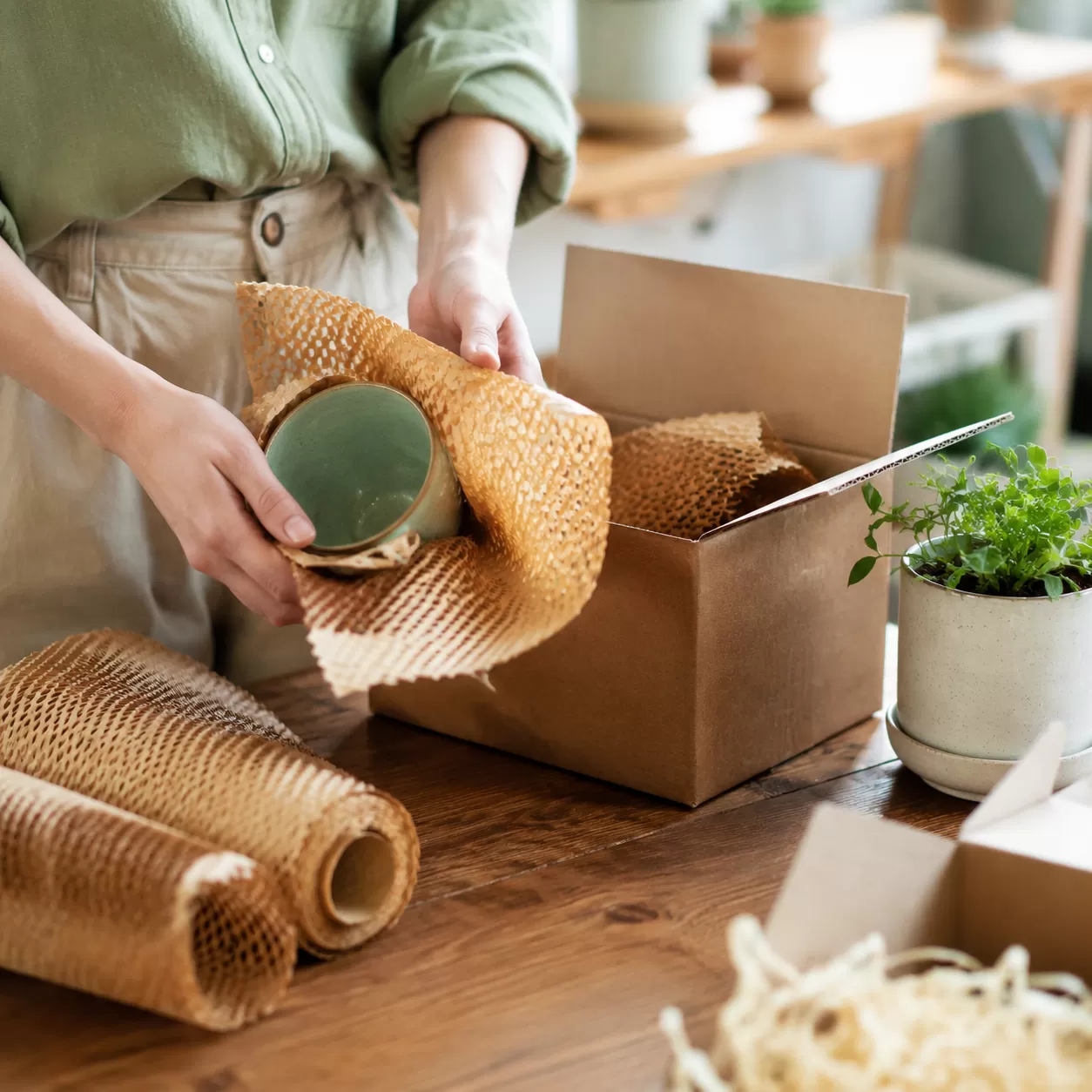
- We guide clients to switch part of their packaging to paper-based fillers and wraps, including options like honeycomb packaging paper for moving and shipping, which can replace some plastic bubble use.
- For brands that want a full eco story, we help design mixed systems using paper bags, crinkle paper, and honeycomb structures instead of plastic-heavy setups.
If you're trying to balance cost-effective packaging solutions with sustainability, the move is usually:
- Use bubble wrap only where you truly need shock absorption.
- Replace the rest with smart paper solutions and right-sized boxes.
- Standardize pack-out rules so your team doesn't overwrap every order.
Best practices for using bubble wrap in shipping
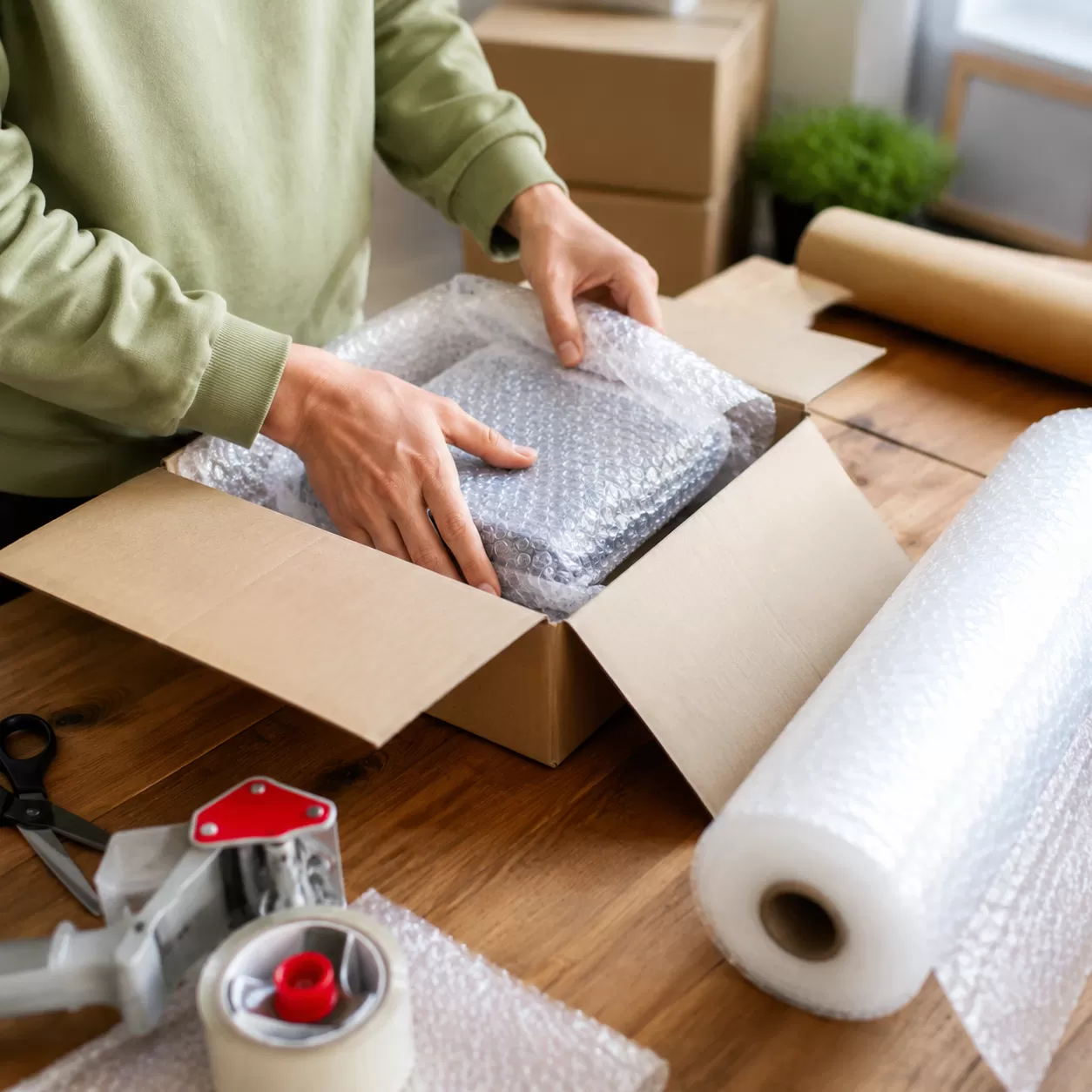
When I look at bubble wrap shipping solutions, I treat them like any other business tool: pick the right type, use it efficiently, and don't waste money.
Pick the right bubble wrap for the job
Match bubble size to product:
| Bubble Size | Best For | Notes |
|---|---|---|
| Small (3/16″) | Phones, small electronics, jewelry | Tight fit, great for surface protection |
| Medium (5/16″) | Home décor, small appliances | Good mix of cushioning and flexibility |
| Large (1/2″) | Heavy or bulky items | Handles drops and impact better |
Key tips:
- Fragile + light items: small bubbles, 1–2 layers
- Heavier items: medium/large bubbles, 2–4 layers
- Long-distance or UPS/FedEx ground: go one bubble size up or add an extra layer for safety
- For the U.S. market, I always choose thicker, multi-layer film for products over 10 lb to handle rough last-mile delivery.
Wrap efficiently to avoid waste
To keep protective packaging for businesses cost-effective, I follow a simple routine:
- Wrap bubbles facing inward toward the product
- Start with corners and edges (they take the most hits)
- Use 2–3 consistent layers instead of random extra wraps
- Secure with minimal tape: 2–3 strips per item is usually enough
- Use pre-cut sheets for high-volume packing stations to speed up work and reduce overuse
Combine bubble wrap with other packaging materials
Bubble wrap does its best work as part of a system, especially for shipping fragile items with bubble wrap:
- Outer box: strong corrugated cardboard
- Inner void fill: kraft paper or peanuts to stop movement
- Bubble wrap layer: around each item and between items
- Double boxing: for high-value electronics, glass, and auto parts
Example combo for e-commerce shipping in the U.S.:
- Inner wrap: small-bubble wrap
- Spacers: crumpled paper
- Outer protection: thick box with snug fit
If you're already using kraft packaging or are considering it, pairing bubble wrap with custom bags or large kraft gift bags creates a more branded unboxing experience without losing protection.
Source high-quality bubble wrap from reliable suppliers
Not all bubble wrap is equal. For industrial bubble wrap applications and everyday shipping protection with bubble wrap, I look for:
- Strong film that doesn't pop easily under pressure
- Consistent bubble size for even cushioning
- Rolls in standard widths (12″, 24″, 48″) to fit packing stations
- Options for eco-friendly material, like recycled or recyclable film
That's why I work with suppliers like Dongguan Xianghe Paper Co., Ltd. They specialize in protective packaging for businesses and focus on sustainable solutions, which lines up with how the U.S. market is shifting toward greener, branded packaging. Their background in paper-based and eco-conscious materials (see their sustainability approach) makes it easier for me to integrate bubble wrap into a more sustainable packaging mix.
Quick bubble wrap tips for small businesses
If you're a small shop or Etsy seller, here's how to balance cost and protection:
- Standardize sizes: stick to 1–2 bubble roll sizes for all orders
- Pre-pack common items: pre-wrap bestsellers to save time
- Use offcuts: small scraps for filling corners instead of tossing them
- Set a simple rule: e.g., "orders under $50 = 1 layer, over $50 = 2 layers"
- Buy in bulk when cash flow allows: per-foot cost drops fast with larger rolls
Used this way, bubble wrap for small businesses becomes a cost-effective packaging solution instead of a cost sink-strong shipping protection with bubble wrap without eating into your margins.
The Future of Bubble Wrap in Shipping
Bubble wrap shipping solutions are changing fast, and businesses that ship every day across the U.S. are already feeling it. The next wave is all about protection and sustainability.
New Bubble Wrap Technologies
We're seeing three big shifts in protective packaging for businesses:
- Biodegradable and recycled bubble wrap
Made from recycled or plant-based materials, these options break down faster and help brands reduce their plastic footprint while still protecting fragile goods. - Inflatable on-demand systems
Rolls or flat film that inflate at the packing station. You save warehouse space, cut freight on inbound packaging, and only use what you need, when you need it. - Hybrid paper + bubble solutions
More brands are using bubble wrap together with paper-based fillers or wraps, similar to how many use honeycomb packing paper for protective wrapping, to reduce plastic use without sacrificing cushioning.
Meeting the Demand for Sustainable Bubble Wrap Options
U.S. customers are vocal about eco-friendly packaging. They care about:
- Less plastic and more recyclable materials
- Smaller, tighter packages (no oversized boxes stuffed with waste)
- Clear signs that a brand is trying to ship responsibly
To adapt, businesses can:
- Swap part of their plastic padding with paper filler (for example, using brown paper filler in the void and bubble wrap only around fragile spots: https://www.xhpacking.com/shredded-paper/brown-paper-filler.html).
- Standardize box sizes and bubble wrap usage, so every shipment uses just enough protection-no excess.
Dongguan Xianghe Paper Co., Ltd.'s Role in Modern Packaging
As a packaging supplier, I treat bubble wrap as part of a bigger eco-conscious system. At Dongguan Xianghe Paper Co., Ltd., we focus on:
- Eco-friendlier bubble wrap options (recycled content, lighter-weight films to cut material and freight)
- Paper-based alternatives that pair well with bubble wrap for a more sustainable mix
- Guidance on packaging setups that lower damage rates and reduce waste at the same time
We're not just selling rolls; we're helping businesses build smarter, cleaner packaging flows that work at scale.
Stay Ahead of Bubble Wrap Trends
If you're shipping fragile items with bubble wrap today, keep an eye on:
- New sustainable bubble wrap options and regulations around packaging waste
- Better packout methods that use less material without raising damage claims
- Supplier partners that test and update packaging lines instead of just dropping pallets at your dock
The businesses that win on packaging in the next few years will be the ones that combine strong shipping protection with bubble wrap and visible sustainability. Staying updated and willing to test new materials will keep you competitive-and keep your customers coming back.