


What is kraft wrapping paper?
Kraft wrapping paper is that familiar natural brown paper you see in stores and warehouses. It's made from unbleached wood pulp, so it keeps its raw, earthy look instead of being bleached white. That uncoated, natural finish is exactly why it's one of the most popular eco-friendly wrapping paper options in the US market.
Key kraft paper characteristics
Kraft paper is known for being:
- Strong and tear-resistant – great for heavy or oddly shaped items
- Durable – stands up well to handling, stacking, and shipping
- Eco-friendly – typically recyclable, biodegradable, and often made from renewable fibers
Those traits make it a go-to for industrial packaging paper and cost-conscious brands that want sustainable packaging solutions without overcomplicating things.
Common kraft wrapping paper uses
In my packaging lines, we use kraft wrapping paper for:
- Gift wrapping with a minimalist, rustic style
- Void fill and protective layers in boxes for shipping
- Industrial and e-commerce packaging for bulk or heavy products
- Custom wrapping paper solutions – printing simple logos or patterns for branding
It hits that sweet spot between function, sustainability, and price.
Kraft paper benefits and advantages
If you're looking for cost-effective packaging options, kraft paper delivers:
- High sustainability – recyclable and usually made from responsibly sourced pulp
- Lower material cost than many coated or laminated papers
- Versatility – easy to cut, fold, tape, and print on with basic designs
For many US brands, especially DTC and small businesses, kraft is the first step into recyclable wrapping paper and biodegradable wrapping materials.
Kraft wrapping paper limitations
Kraft isn't perfect, and I'm blunt about that:
- Poor moisture resistance – it absorbs water and can weaken or stain
- Less premium aesthetic – not as glossy or "luxury" as high-end packaging materials
- Limited color vibrancy – printing can look muted compared to coated paper advantages
If you need premium gift wrapping paper or high-gloss branding, plain kraft alone may not hit the visual mark-though it's an excellent base for more advanced, hybrid packaging solutions.
Understanding Coated Paper
What Is Coated Paper?
Coated paper is a base paper that's finished with a thin layer of coating-usually clay, calcium carbonate, or a polymer-to change how it looks and performs. That coating gives the surface a smooth, refined feel that you simply don't get with kraft wrapping paper.
Common finish options:
- Gloss coated paper – shiny, vibrant, and reflective
- Matte coated paper – smooth, low-glare, more subtle
- Satin/silk – in between gloss and matte
This coating helps ink sit on top of the sheet instead of soaking in, which is why coated paper is a favorite for high-end packaging materials and premium prints.
Key Characteristics of Coated Paper
Coated wrapping paper stands out because it offers:
- Smooth surface – ideal for luxury gift wrap and branded packaging
- Glossy or matte appearance – you can choose based on your brand style
- Enhanced printability – sharper logos, richer colors, and detailed designs
- Better moisture resistance – more protection than regular kraft, especially useful in humid or damp environments
If you're printing detailed artwork, product photos, or bold branding, coated paper is usually the better choice over uncoated kraft.
Common Uses of Coated Wrapping Paper
In the U.S. market, I mainly see coated paper used for:
- High-end gift wrapping paper in retail stores and boutiques
- Branded packaging for cosmetics, electronics, and specialty foods
- Product labels and sleeves where sharp text and color accuracy matter
- Premium envelopes and inserts for marketing campaigns or special mailers, often paired with protective brown paper filler in the shipping box for a balanced unboxing experience (brown paper filler options)
Any time your packaging needs to "look expensive," coated paper is usually on the table.
Coated Paper Advantages
Key coated paper advantages:
- High visual impact – perfect for premium gift wrapping and luxury branding
- Professional color reproduction – better for photos, gradients, and tight details
- Moisture-resistant paper – holds up better against spills, condensation, and handling
- Smooth, premium feel – adds perceived value to the product inside
If your goal is to impress on the shelf or in unboxing videos, coated paper earns its keep.
Coated Paper Disadvantages
There are trade-offs you should know:
- Higher cost – more expensive than basic kraft paper, especially at small volumes
- Less eco-friendly – coatings can reduce recyclability and slow down biodegradation
- Recycling challenges – some municipal programs struggle with heavily coated or laminated paper
- Not ideal for "eco-first" branding – if you're pushing sustainable packaging solutions as your main message, fully coated paper can send mixed signals
If sustainability and eco-friendly wrapping paper are at the top of your priority list, you'll want to either limit coatings, use lighter coatings, or explore more recyclable structures and pair them with other sustainable materials like honeycomb pack or shredded paper fillers in your outer packaging.
Head-to-Head: Kraft Wrapping Paper vs Coated Paper
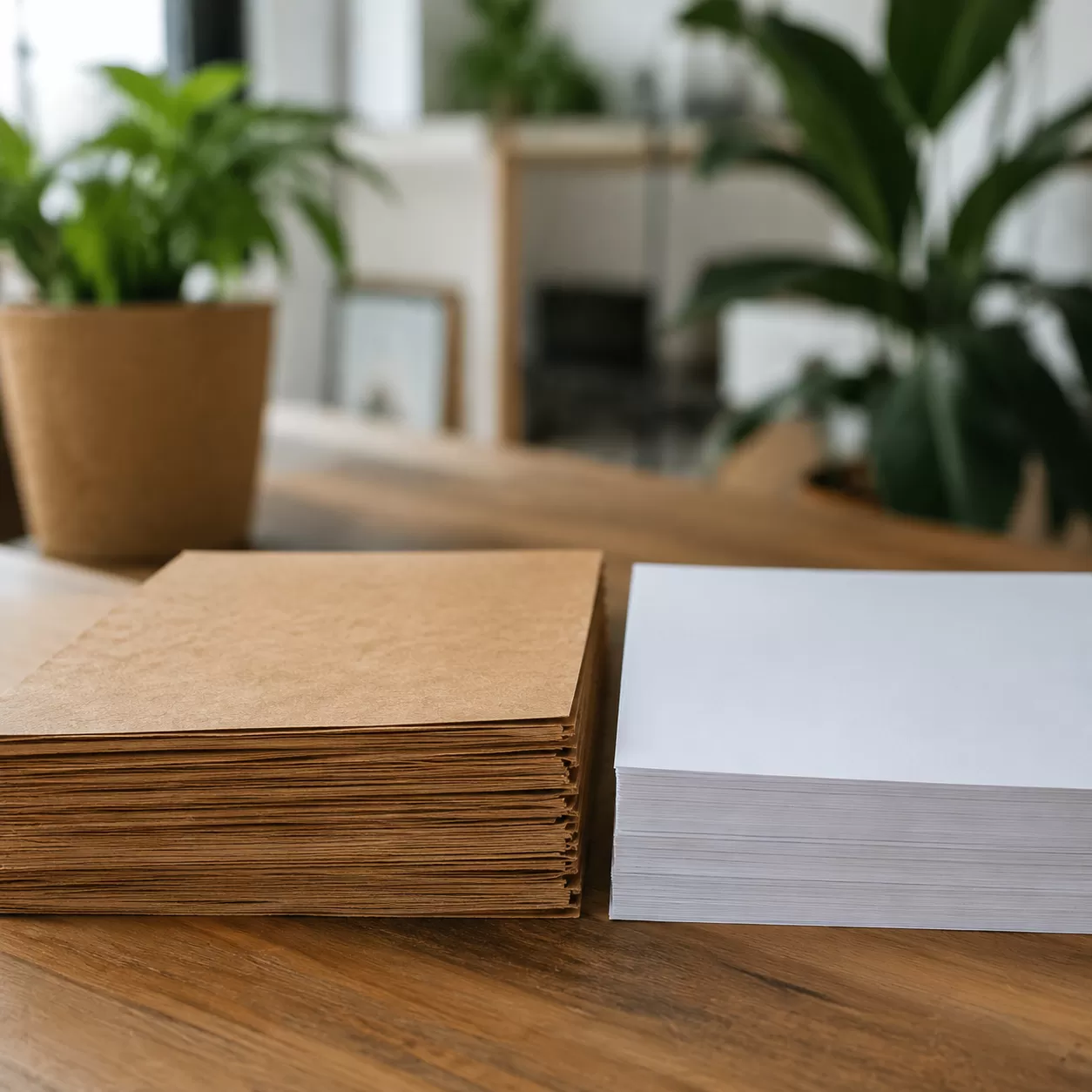
When you're choosing between kraft wrapping paper and coated paper, it really comes down to how you'll use it, how you want it to look, and how much you care about sustainability and cost.
Material & Texture
| Feature | Kraft Wrapping Paper | Coated Paper |
|---|---|---|
| Look | Natural, brown, rustic | Clean, bright, premium |
| Feel | Rough, fibrous, "paper bag" texture | Smooth, slick, sometimes glossy or satin |
| Vibe | Minimalist, eco-friendly, handmade | High-end, branded, retail-ready |
If you want that "natural" or "recycled" look for your packaging or kraft gift bags, kraft is the clear winner. For cosmetics, electronics, or premium retail, coated paper feels more on-brand.
Durability & Strength
| Use Case | Better Choice | Why |
|---|---|---|
| Heavy items / shipping | Kraft paper | Higher tear resistance and stiffness |
| Cushioning / void fill | Kraft paper | Strong, crumples well for protection |
| Light gift wrapping | Both work | Depends on look and budget |
| Moisture-prone environments | Coated paper | Coating adds water and smudge resistance |
For industrial or e-commerce packaging, kraft wrapping paper (and related options like paper cushion pads) is usually more reliable and cost-effective. Coated paper holds up better to light moisture and handling on the retail side.
Aesthetic Appeal
- Kraft paper look:
- Rustic, organic, clean
- Pairs well with simple logos, black ink, and twine
- Great for "farm-to-table," handmade, or sustainable brands
- Coated paper look:
- Sharp colors, crisp images, metallic and special finishes
- Perfect for detailed printing, high-end graphics, and logos
- Ideal for premium gift wrapping and branded packaging
If visual impact and color accuracy are your top priority, coated paper is the better pick. If you want understated, modern, and eco-focused, kraft wins.
Environmental Impact
| Aspect | Kraft Wrapping Paper | Coated Paper |
|---|---|---|
| Recyclability | Very good (especially unbleached) | Varies; coatings can reduce recyclability |
| Biodegradability | High | Lower, especially with heavy coatings |
| Sustainability | Strong, especially with FSC/recycled | Depends on coating and base paper |
If you're pushing eco-friendly wrapping paper or sustainable packaging solutions, kraft paper is usually the safer, more honest choice.
Cost Analysis
| Factor | Kraft Wrapping Paper | Coated Paper |
|---|---|---|
| Material cost per roll | Generally lower | Higher, especially for premium finishes |
| Printing cost | Lower, simple 1–2 color prints | Higher, full-color and special effects |
| Long-term value (business) | Great for bulk, shipping, daily use | Great for premium, brand-focused items |
Simple rule of thumb:
- Use kraft paper when you need volume, strength, and lower cost.
- Use coated paper when you need premium branding and high-impact visuals, and you're okay paying more for that look.
Which Paper Should You Choose?
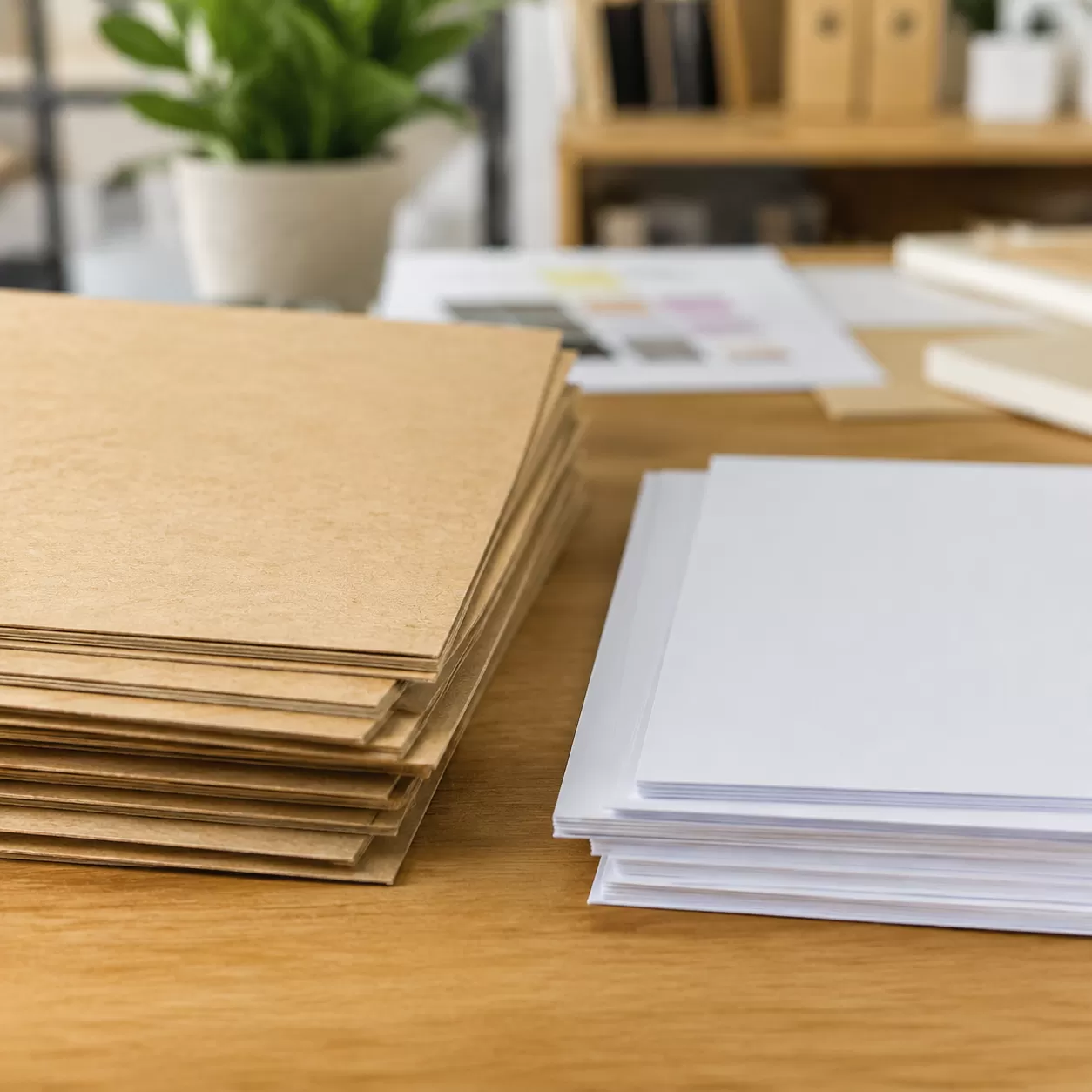
When you're choosing between kraft wrapping paper and coated paper, it really comes down to what you're packaging, how you want it to look, and what your budget and sustainability goals are.
Key Factors to Consider
Before you pick a side in the kraft vs coated paper comparison, ask yourself:
- Purpose
- Shipping, e‑commerce, or everyday packaging?
- Premium gifting or branded retail?
- Look & Feel
- Rustic and natural?
- Glossy, sharp, and "luxury"?
- Environment
- Is eco-friendly wrapping paper a must-have?
- Budget
- Are you cost-sensitive, or is presentation the priority?
When Kraft Wrapping Paper Is the Best Choice
Kraft wrapping paper is my go‑to when customers need sustainable packaging solutions with solid performance at a fair price.
Best use cases for kraft paper:
- Sustainable packaging & mailers
- Ideal for brands focused on recyclable, low-waste packaging.
- Bulk shipping & industrial packaging
- Great as industrial packaging paper or protective filler.
- Budget-conscious projects
- Lower cost, especially for high-volume use.
- Rustic or minimalist branding
- Works well for U.S. brands that lean into "natural," "organic," or "handmade" vibes.
For brands exploring paper packaging in general, resources like our guide to paper bags and eco-friendly options can help you build a full packaging system that matches kraft-based wraps and fillers (see our detailed overview on paper bags and sustainable packaging).
When Coated Paper Is the Best Choice
Coated paper shines when you want premium gift wrapping paper with high visual impact.
Best use cases for coated paper:
- High-end gift wrapping
- Department stores, luxury boutiques, seasonal campaigns.
- Branded packaging
- Sharp logos, vivid colors, and photo-quality graphics.
- Moisture-prone environments
- Better for cosmetics, refrigerated items, or products that might face humidity.
- Retail-ready displays
- Ideal when shelf appeal directly drives sales.
If you're building out a premium packaging line, pairing coated wraps with other high-end packaging materials and custom formats (like three-side sealed or specialty bags) can create a cohesive visual brand.
Expert Tip from Dongguan Xianghe Paper Co., Ltd.
From our experience at Dongguan Xianghe Paper Co., Ltd., the smartest move for many U.S. brands is a hybrid packaging strategy:
- Use kraft as the base, for boxes, mailers, or internal protection.
- Add coated paper where it counts, like:
- Outer gift wraps
- Branded sleeves
- Premium labels
We often customize:
- Kraft paper with upgraded print for affordable branding.
- Lightly coated or eco-coated kraft for better moisture resistance while keeping recyclability.
- Custom wrapping paper solutions with your logo, color palette, and finish (matte, soft-touch, or low-gloss coatings).
This way, you balance:
- Sustainability (recyclable, biodegradable wrapping materials)
- Visual appeal (premium look where customers see it)
- Cost-effectiveness (higher spend only where it impacts the brand)
If you're not sure where to start, I usually suggest:
- Kraft for shipping and day-to-day packaging.
- Coated for special editions, gift sets, or retail gifting programs.
That split gives most U.S. businesses a strong mix of performance, brand impact, and long-term value.
Trends and Innovations in Wrapping Paper
When you're choosing between kraft wrapping paper vs coated paper, it helps to know where the market is headed. Right now, the big push in the U.S. is clear: better looks, less waste.
Eco-friendly coatings on kraft paper
Kraft paper is getting smarter, not just stronger. New eco-friendly wrapping paper options use:
- Water-based, compostable coatings to add light moisture resistance without killing recyclability
- Plant-based barriers that keep oil, grease, or light moisture off products
- Hybrid structures that pair kraft with honeycomb or cushion pads for shock protection in shipping
We've been pairing kraft wraps with solutions like paper cushion pads for fragile, e‑commerce shipments to replace plastic bubble and foam, giving brands a sustainable packaging solution that still protects products in transit.
Example: A lot of U.S. DTC brands now ship glassware or candles using kraft wraps plus paper cushion pads instead of plastic, cutting costs and packaging waste at the same time.
Biodegradable coatings on coated paper
On the coated side, innovation is all about premium look with less guilt:
- Biodegradable coatings that break down faster than traditional plastic-based layers
- Low-plastic or plastic-free coatings that still deliver a smooth, premium finish
- Improved recyclability by tweaking coating thickness and chemistry
For brands that need premium gift wrapping paper with strong colors and sharp logos, these new coated stocks offer the coated paper advantages (gloss, color, moisture resistance) while moving closer to biodegradable wrapping materials.
Custom and personalized wrapping paper
Personalization is exploding across both kraft and coated categories:
- Custom logo wrapping paper for small and mid-size U.S. brands that want retail-level presentation without huge MOQs
- Short-run digital printing for seasonal campaigns, limited drops, and influencer kits
- Rustic kraft + high-end print combos that hit that "eco but premium" look customers want
At Dongguan Xianghe Paper Co., Ltd., we've leaned into custom wrapping paper solutions-from minimalist logo repeats on kraft to full-color prints on coated stocks-to help brands balance branding, cost-effective packaging options, and sustainability. For example, our logo wrapping paper line lets you use one base material and customize just the print layer for different campaigns, keeping inventory simple while your packaging looks fresh and on-brand.
This is where the market is clearly heading: hybrid, custom, and eco-aware. Whether you lean kraft or coated, the winning strategy now is to combine sustainable materials, smart coatings, and personalized design so your packaging looks good, protects well, and still aligns with U.S. consumers' expectations for eco-friendly wrapping paper.