
In today's competitive confectionery market, sustainable cushion pads for chocolate box packaging have become much more than a protective insert. They help brands reduce product damage, create memorable unboxing experiences, and demonstrate environmental responsibility.
As consumers increasingly favor brands that prioritize sustainability, chocolate manufacturers and packaging buyers are searching for eco-friendly cushion pads, paper cushioning inserts, and recyclable chocolate packaging solutions that balance protection, presentation, and environmental impact.
Whether you are a chocolate brand owner, packaging distributor, wholesaler, or procurement manager, this guide will help you understand how to select, compare, and source the best sustainable cushion pads for your packaging needs.
Why Sustainable Cushion Pads Matter for Chocolate Packaging
Chocolate products are among the most delicate food items transported through modern supply chains.
They face risks from:
· Vibration during transportation
· Compression during stacking
· Impact during handling
· Product movement inside the box
Even minor damage can affect customer perception and lead to complaints, returns, and lost sales.
Sustainable cushion pads solve these challenges while helping brands reduce plastic usage and improve sustainability credentials.
Key Benefits
✅ Protect fragile chocolates
✅ Improve product presentation
✅ Reduce shipping damage
✅ Support eco-friendly packaging initiatives
✅ Enhance brand reputation
✅ Improve customer satisfaction
What Are Sustainable Cushion Pads?
Sustainable cushion pads are protective inserts designed to secure products inside packaging while minimizing environmental impact.
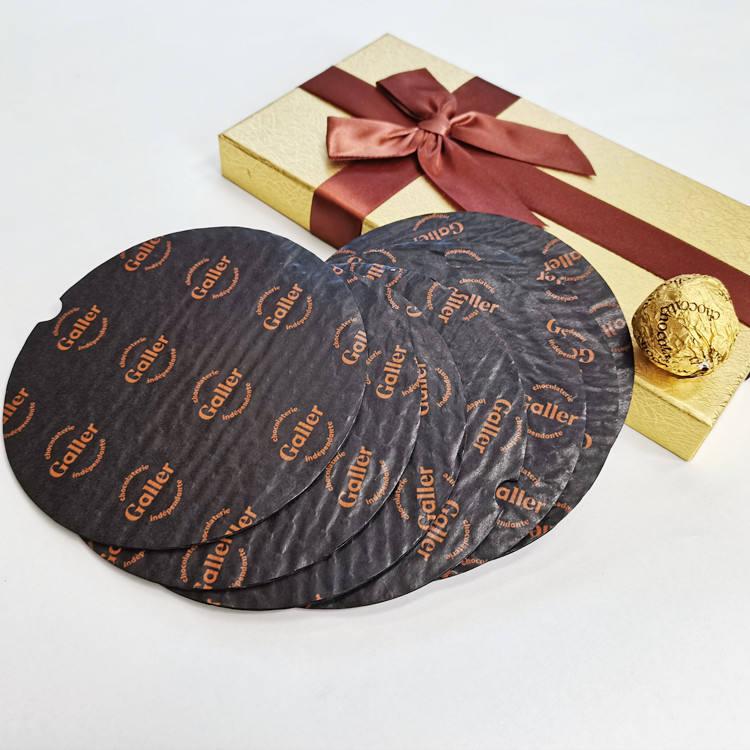
Unlike traditional plastic trays or foam inserts, sustainable cushion pads are typically manufactured from:
· Recyclable paper
· FSC-certified paperboard
· Honeycomb paper
· Molded pulp materials
These materials offer excellent cushioning performance while supporting circular economy goals.

Why Chocolate Brands Are Switching to Sustainable Packaging
Consumer purchasing behavior has changed significantly in recent years.
Research consistently shows that shoppers increasingly prefer products packaged with environmentally responsible materials.
Environmental Benefits
| Traditional Plastic Inserts | Sustainable Cushion Pads |
|---|---|
| Difficult to recycle | Widely recyclable |
| Petroleum-based | Renewable resources |
| Higher environmental impact | Lower carbon footprint |
| Negative consumer perception | Positive brand image |
Brand Advantages
Sustainable packaging helps brands:
· Strengthen customer loyalty
· Meet retailer sustainability requirements
· Improve ESG reporting
· Differentiate from competitors
For premium chocolate brands, sustainable packaging is increasingly becoming a purchasing factor rather than merely a packaging feature.
Types of Sustainable Cushion Pads for Chocolate Boxes
Different chocolate products require different levels of protection.
Understanding available options helps buyers make informed decisions.
1. Paper Cushion Pads
Paper cushion pads are among the most popular solutions for chocolate packaging.
Advantages
· Lightweight
· Recyclable
· Customizable
· Cost-effective
· Food-safe options available
Best Applications
· Luxury chocolate gift boxes
· Assorted chocolate collections
· E-commerce shipments
· Subscription packaging
2. Honeycomb Paper Cushioning
Honeycomb paper provides excellent shock absorption while maintaining a premium appearance.
Advantages
· Plastic-free
· Strong cushioning
· Lightweight
· Premium visual appeal
Best Applications
· International shipping
· High-value chocolate gifts
· Fragile confectionery products
3. Molded Pulp Inserts
Manufactured from recycled paper fibers, molded pulp inserts provide an eco-friendly alternative to plastic trays.
Advantages
· Compostable
· Sustainable
· Good structural support
Best Applications
· Eco-conscious brands
· Organic chocolate packaging
4. Corrugated Paper Inserts
Corrugated inserts offer additional structural strength.
Advantages
· Durable
· Strong support
· Suitable for larger boxes
Best Applications
· Bulk chocolate packs
· Large gift assortments

Comparing Sustainable Cushion Pad Materials
| Feature | Paper Cushion Pads | Honeycomb Paper | Molded Pulp | Plastic Trays |
|---|---|---|---|---|
| Recyclable | Yes | Yes | Yes | Limited |
| Protection Level | High | Very High | Medium | Medium |
| Premium Appearance | Excellent | Excellent | Good | Good |
| Custom Branding | Excellent | Good | Limited | Good |
| Sustainability | Excellent | Excellent | Excellent | Poor |
| Cost Efficiency | High | Medium | Medium | Medium |
Expert Insight
For most chocolate brands, custom paper cushion pads offer the best balance between:
· Product protection
· Sustainability
· Branding opportunities
· Cost efficiency
How Cushion Pads Improve Customer Experience
Packaging is often the first physical interaction customers have with a brand.
Well-designed cushion pads contribute significantly to customer perception.
Better Product Presentation
Proper inserts create:
· Organized product layouts
· Luxury presentation
· Enhanced visual appeal
A premium appearance increases perceived product value before the first chocolate is even tasted.
Enhanced Unboxing Experience
Modern consumers frequently share purchases on social media.
Attractive packaging encourages:
· User-generated content
· Social sharing
· Brand advocacy
Reduced Damage and Returns
Product protection directly impacts profitability.
Benefits include:
· Fewer damaged shipments
· Lower replacement costs
· Improved customer reviews
· Increased repeat purchases

Case Study: Reducing Chocolate Shipping Damage
A premium chocolate company experienced increasing complaints related to damaged products during transit.
Challenge
· Fragile chocolates shifting during shipment
· Product breakage
· Customer dissatisfaction
Solution
The company replaced conventional plastic trays with custom-designed paper cushion pads.
Results After Six Months
| Metric | Before | After |
|---|---|---|
| Damage Rate | 8.0% | 4.8% |
| Customer Complaints | High | Low |
| Packaging Waste | High | Reduced |
| Customer Satisfaction | Moderate | High |
Key Takeaway
Improved cushioning not only reduced damage but also enhanced customer perception of the brand's sustainability efforts.
How to Choose the Right Sustainable Cushion Pads
Selecting the right solution requires balancing protection, sustainability, branding, and budget.
Step 1: Assess Product Fragility
Consider:
· Chocolate type
· Product weight
· Filling softness
· Shipping distance
Step 2: Review Packaging Design
Evaluate:
· Box dimensions
· Product arrangement
· Display requirements
· Brand positioning
Step 3: Verify Sustainability Credentials
Look for:
· FSC certification
· Recyclability claims
· Food-contact compliance
Step 4: Request Samples
Before committing to a large order:
· Perform drop testing
· Assess fit and finish
· Gather customer feedback
· Verify branding quality

Emerging Trends in Sustainable Chocolate Packaging
The packaging industry continues to evolve rapidly.
Several trends are shaping future chocolate packaging decisions.
Plastic-Free Luxury Packaging
Premium brands increasingly replace plastic inserts with paper-based alternatives.
Customized Packaging Solutions
Consumers expect unique and personalized packaging experiences.
Sustainability Storytelling
Packaging now serves as a communication tool that demonstrates environmental responsibility.
Lightweight Packaging Design
Reducing packaging weight helps lower:
· Shipping costs
· Carbon emissions
· Material consumption
How to Source a Reliable Cushion Pad Manufacturer
Choosing the right manufacturing partner is critical.
Questions to Ask Suppliers
· What materials are used?
· Are products recyclable?
· Can food-safe documentation be provided?
· What customization options are available?
· What is the MOQ?
· What are lead times?
· Do you offer OEM services?
Supplier Evaluation Checklist
| Evaluation Factor | Importance |
|---|---|
| Quality Control | High |
| Customization Capability | High |
| Export Experience | High |
| Sustainability Certifications | High |
| Production Capacity | Medium |
| Technical Support | Medium |
Conclusion
Sustainable cushion pads for chocolate box packaging have become an essential component of modern chocolate packaging strategies.
They help brands:
· Protect fragile products
· Reduce shipping damage
· Improve customer satisfaction
· Strengthen sustainability initiatives
· Enhance premium brand positioning
Among available solutions, paper cushion pads offer one of the best combinations of protection, recyclability, customization, and cost efficiency.
For chocolate manufacturers, distributors, and packaging buyers seeking long-term value, investing in sustainable cushion pads is both an environmentally responsible and commercially smart decision.
Frequently Asked Questions (FAQ)
1. What are sustainable cushion pads for chocolate box packaging?
They are eco-friendly protective inserts made from recyclable or biodegradable materials that protect chocolates during storage and shipping.
2. Are paper cushion pads food-safe?
Yes. Many paper cushion pads can be manufactured using food-safe materials that comply with applicable packaging regulations.
3. Which cushion pad material offers the best protection?
Paper cushion pads and honeycomb paper generally provide excellent cushioning while maintaining sustainability benefits.
4. Can sustainable cushion pads reduce shipping damage?
Yes. Properly designed cushion pads help minimize product movement, absorb impacts, and reduce breakage during transportation.
5. Are custom cushion pads expensive?
Not necessarily. They often reduce product damage, improve customer satisfaction, and provide long-term cost savings.
6. What certifications should buyers look for?
Common certifications include FSC certification, recyclability verification, and food-contact compliance documentation.
7. Can cushion pads be customized for different chocolate boxes?
Absolutely. Manufacturers can customize dimensions, shapes, printing, and branding to fit specific packaging requirements.
8. Why are chocolate brands moving toward sustainable packaging?
Consumers increasingly prefer environmentally responsible packaging, and sustainable solutions help brands reduce waste while improving their market image.
References
Forest Stewardship Council (FSC)
Sustainable Packaging Coalition
Ellen MacArthur Foundation – Packaging and Circular Economy
Packaging Europe – Sustainable Packaging Insights
Smithers Packaging Market Reports
PMMI Packaging Industry Resources