Mechanical Properties: Possesses certain strength, toughness, tear resistance, folding endurance, and stiffness, capable of withstanding physical stresses such as handling and stacking.
Barrier Properties: While its porous fiber structure provides limited barrier properties, coating, lamination, or other processes can enhance its moisture-proof, oil-proof, waterproof, and oxygen-proof capabilities.
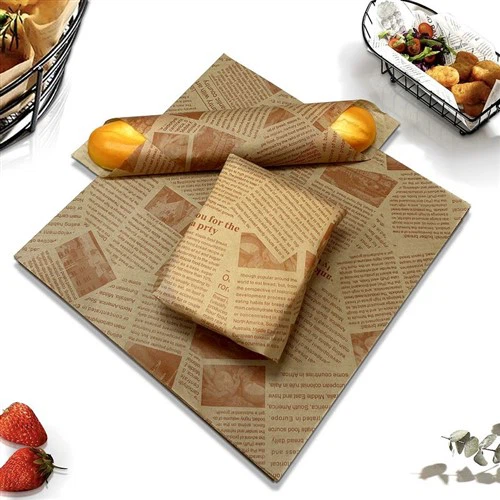
Printability: Smooth surface, strong ink absorption, suitable for various printing methods, facilitating information transmission and brand display.
Processing Properties: Easy to cut, fold, and glue, adaptable to mechanized and automated packaging production.
Hygiene and Safety Properties: Especially for food contact paper, it must meet standards such as non-toxicity, free of fluorescent agents, low in heavy metals (lead, arsenic), low in formaldehyde, and compliant with microbiological standards (e.g., GB 4806.8, GB 11680-89).
Environmental performance: The raw materials are mostly derived from renewable plant fibers (such as wood pulp and bamboo pulp), which are recyclable, biodegradable, and compostable, aligning with the green trend of "replacing plastic with paper."