
The Science & Logistics: Why Is Shredded Paper So Hard to Recycle?
If you've ever stood over your curbside recycling bin wondering, "Can you recycle shredded paper?", you're not alone. On paper, it seems simple: paper is recyclable, so shredded paper should be too. In reality, shredded paper is one of the most problematic materials for a modern Materials Recovery Facility (MRF) to handle, and most municipal recycling guidelines treat it very differently from regular office paper.
The Sorting Machine Nightmare
Recycling lines are built to sort larger items, not thousands of tiny strips. Once shredded paper hits an MRF:
-
- It falls through gaps and screens meant to separate glass, metals, and plastics.
- It gets sucked into vents and filters, clogging automated systems and forcing shutdowns.
- It contaminates other streams, sticking to bottles, cans, and cardboard, which lowers the quality of those recyclables.
From a logistics standpoint, shredded paper behaves more like dust or confetti than a solid recyclable. That's why many programs simply don't accept it in the standard curbside recycling bin, even if they accept regular paper.
The "Short Fiber" Problem
Paper can be recycled only a limited number of times before the fibers get too short to be useful. When you shred paper, you're artificially speeding up that process.
-
- Paper fiber length is what gives recycled paper its strength.
- Shredding cuts those fibers down, so mills can't turn them into high‑quality products.
- The smaller the piece, the less viable it is for recycling into new paper or cardboard.
In other words, even if shredded paper makes it through the sorting line, it often has less value to paper mills than intact sheets, which is another reason facilities deprioritize or reject it.
The Environmental Hazard
When shredded paper can't be efficiently captured as a recyclable, it tends to go one of two ways: landfill or litter.
-
- Tiny pieces easily blow out of trucks and bins, becoming a source of micro‑litter in streets and waterways.
- When landfilled, the material loses its circular potential, wasting the energy and resources that went into producing the original paper.
- If mixed incorrectly with non‑compostable materials, it can complicate waste management instead of supporting a clean recycling loop.
From my perspective as a packaging manufacturer, this is exactly why we focus on designing eco‑friendly void fill and biodegradable packaging filler that performs like a premium shredded paper alternative-but is used intentionally, in controlled formats, rather than as a random by‑product of document destruction.
How to Correctly Recycle Shredded Paper (If Your City Allows It)
When people ask me, "Can you recycle shredded paper?", my answer is: sometimes-but only if you follow your city's rules and handle it the right way. Shredded paper behaves very differently from normal office paper, so curbside programs treat it as a special case.
Check Local Municipal Guidelines First
Before you toss shredded paper into your curbside recycling bin, you need to know how your local system works:
-
- Look up your city or county's municipal recycling guidelines online.
- Search for terms like "shredded paper," "secure document destruction," or "paper shredding events."
- Call your local Materials Recovery Facility (MRF) or waste hauler if the website is unclear.
Different cities handle shredded paper in different ways:
-
- Some accept it curbside, but only in very specific containers.
- Some only take it at drop-off locations or seasonal paper shredding events.
- Many don't accept it at all because the small pieces easily contaminate other recyclables.
If your guidelines don't clearly say "shredded paper is accepted," treat it as not recyclable in that system.
The Proper Containment Methods
If your city does allow shredded paper, they almost never want it loose. Loose shreds blow around, escape sorting machines, and create problems at the MRF. Containment is everything:
Common approved methods (check your local rules):
-
- Paper bags, clearly labeled
- Place shredded paper in a kraft paper bag.
- Roll or staple the top closed.
-
Write "SHREDDED PAPER" on the bag so the sorting team knows what it is.
-
Cardboard boxes for drop-off
- For bigger volumes, some facilities want shreds in closed cardboard boxes.
-
Keep them dry and clearly marked.
-
No plastic bags unless explicitly allowed
- Many programs reject recyclables in plastic bags because they jam equipment.
- If your city makes an exception for shredded paper, follow their exact instructions.
Key point: the goal is to keep shredded paper contained so it doesn't escape and contaminate other materials in the stream.
Residential vs. Commercial Shredding
Residential and commercial shredded paper aren't handled the same way, especially in the U.S. market.
Residential shredding:
-
- Small, mixed paper streams (bills, mail, school papers).
- Often handled through curbside collection or small drop-off points.
- If accepted, the volume is limited and usually contained in paper bags or boxes.
Commercial shredding:
-
- High-volume, often processed by a secure shredding service.
- Material may go straight to specialized paper recyclers instead of the municipal MRF.
- Businesses need to balance data security with sustainability.
For brands and e-commerce operations using shredded paper as a biodegradable packaging filler, it's smarter to think upstream. Instead of relying on post-consumer office shreds, I prefer purpose-made, eco-friendly void fill like bulk shredded raffia paper designed specifically for packaging. For example, Xianghe offers recycled shredded paper for packaging that's produced as a clean, consistent, and recyclable packing material, not as a waste byproduct, which is a big plus for commercial users focused on a sustainable unboxing experience.
Creative Ways to Repurpose Shredded Paper at Home
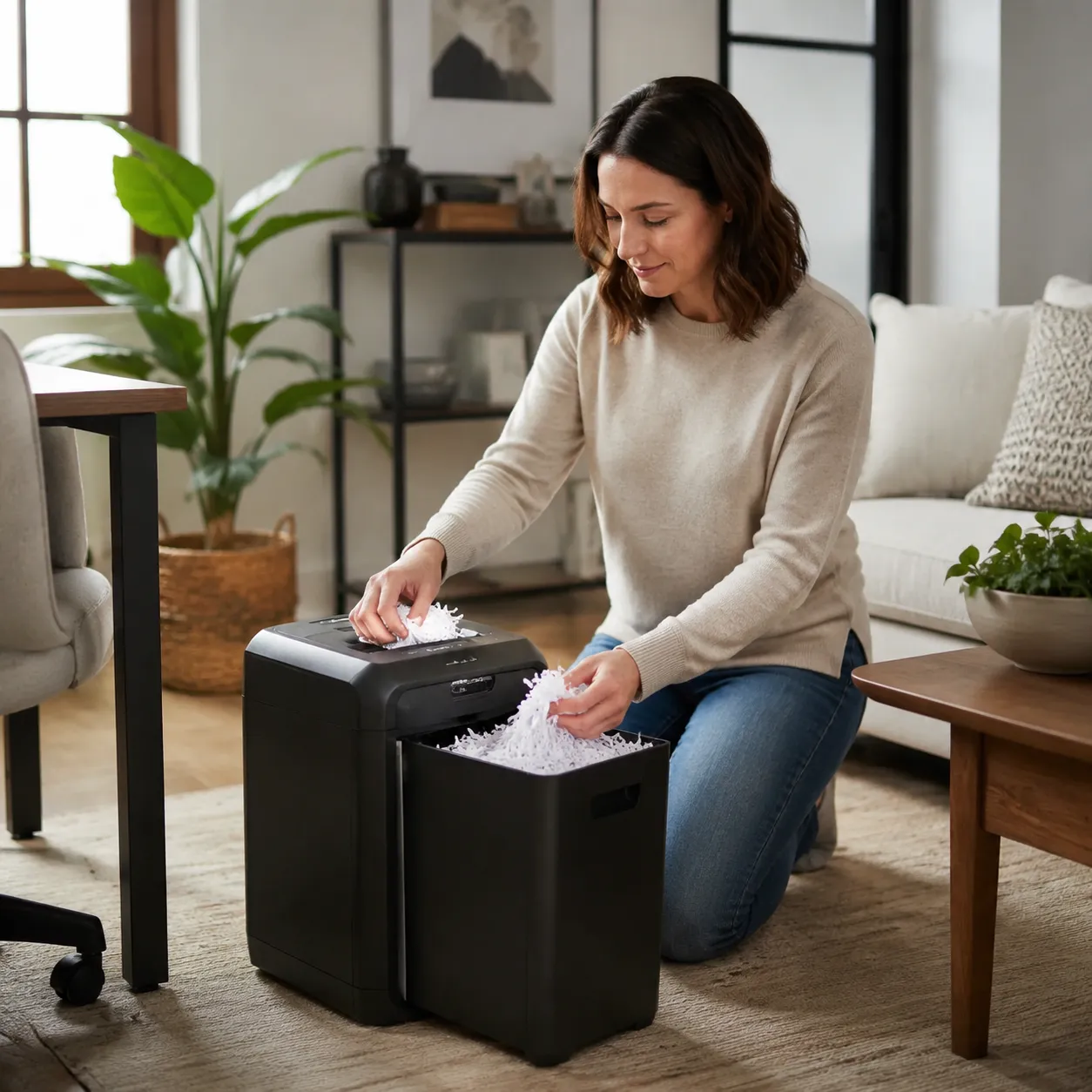
So, can you recycle shredded paper easily through a curbside recycling bin? Not always. That's why I treat shredded paper as a resource at home instead of trash. It's a light, clean, and versatile material you can put to work in a lot of practical ways.
Here's how I use it so it actually replaces waste instead of creating more.
An Excellent Addition to Home Composting
Shredded paper is one of the easiest "browns" (carbon-rich materials) to add to a home composting pile.
I keep it simple:
-
- Balance "greens" and "browns"
Mix shredded paper with food scraps, coffee grounds, and yard waste. Paper soaks up moisture and helps keep the pile from turning into a soggy mess. - Use it as a top layer
After adding kitchen scraps, I cover them with a thin layer of shredded paper to: - Cut down on odors
- Deter flies
- Keep the pile looking tidy
- Avoid glossy or coated sheets
Stick to plain office paper, mail, and uncoated packaging. Skip anything heavily dyed, laminated, or plastic-coated.
- Balance "greens" and "browns"
Used like this, shredded paper becomes a steady home composting material that supports a healthier, more aerated pile and breaks down naturally.
DIY Homesteading Uses
If you're into DIY or homesteading, shredded paper is basically free raw material.
Some of the most practical uses I rely on:
-
- Pet and livestock bedding
- Line small animal cages (rabbits, guinea pigs, hamsters)
- Add as temporary bedding for chickens or nesting boxes
It's soft, absorbent, and easy to replace. - Mulch for plants
Spread a light layer around garden beds or potted plants, then cover with another mulch like wood chips. This helps: - Retain moisture
- Reduce weeds
- Protect soil from erosion
- Fire starters
Twist shredded paper into tight "logs" or pack into cardboard tubes. Great for wood stoves, fire pits, and camping. - Stuffing for DIY projects
Use as filler for: - Handmade cushions or draft stoppers
- Seasonal decorations
- Shipping small homemade crafts
These DIY uses let you stretch the life of shredded paper long before it ever heads to a bin.
Protective Packaging Filler
One of the best ways to repurpose shredded paper is as protective packaging filler when you're shipping or storing items at home.
I treat it like a biodegradable packaging filler:
-
- Cushioning fragile items
Wrap glassware, ceramics, candles, or electronics and pack them tightly with shredded paper in a box. The fibers help absorb shock during transport. - Layering inside gift boxes
If you're building gift sets, you can use shredded paper as a soft nest filler that: - Holds products in place
- Creates a more premium unboxing feel
- Replaces plastic-based fillers like bubble wrap or foam peanuts
- Reusing boxes and mailers
Any time I reuse a box, I top up empty spaces with shredded paper instead of buying new void fill.
- Cushioning fragile items
When you're ready to upgrade from home shredding to a cleaner, more consistent look-especially for gifting or small business orders-you can move to purpose-made options like bulk brown shredded paper filler or white shredded paper filler designed specifically for packaging. For example, you can see how brown paper filler is used as an eco-friendly void fill here: brown shredded paper filler for packaging, and how a cleaner look is achieved with white shredded paper filler for gift boxes.
Used this way, shredded paper becomes a practical, plastic-free packaging solution at home, extending its life and reducing your reliance on synthetic fillers.
The Business Shift: Transitioning to Premium, Recyclable Void Fills
The Limitations of Post-Consumer Shredded Paper for Brands
When I talk with US brands about packaging, shredded office paper is usually the first "eco-friendly" void fill they mention. On paper it sounds sustainable, but in real operations it comes with serious limits:
-
- Inconsistent look and feel – Post-consumer shredded paper varies in color, texture, and quality. It rarely delivers a clean, premium unboxing experience.
- Questionable recyclability – Short paper fibers and mixed inks make it harder for a Materials Recovery Facility (MRF) to sort and recycle. Many curbside recycling bin programs don't even accept it.
- Dust and mess – Office shred creates paper dust that can irritate customers, contaminate products, and make pick-and-pack lines harder to keep clean.
- Brand risk – Using old documents as filler can raise concerns about secure document destruction, even if the content is already shredded.
- Limited protection – Random shredded strips don't offer controlled cushioning performance, which is critical when you're trying to cut shipping damage, not just fill space.
For brands that live and die by presentation, protection, and repeat purchases, post-consumer shredded paper is rarely a long-term solution.
Introducing Xianghe Paper's Sustainable Product Ecosystem
That's why I lean on a different approach: purpose-built, eco-friendly void fill engineered for both performance and sustainability. At Dongguan Xianghe Paper Co., Ltd., we've built a paper-based packaging ecosystem that solves the problems above without going back to plastic.
Here's how our lineup supports serious brands:
-
-
Bulk shredded raffia paper
Clean, uniform shredded paper designed as a biodegradable packaging filler, not a byproduct. It's plastic-free, 100% recyclable, and ideal for gift sets, subscription boxes, and premium retail packaging where look and feel matter. -
Honeycomb packaging paper & paper cushion pads
Our honeycomb rolls and cushion pads create 3D shock absorption that replaces foam and bubble wrap. Honeycomb packaging's carbon emissions are only 1/5 of EPS foam, and brands regularly see over 40% fewer shipping damage claims and up to 15% lower packaging costs when they switch. -
Food-safe wrapping papers and bags
For apparel, gifts, and branded orders, we pair void fill with FSC-certified paper products like tissue paper and custom paper bags, allowing you to build a complete, plastic-free packaging system. For example, many US apparel brands use our tissue paper for shipping clothes together with honeycomb void fill to keep the entire box recyclable.
-
All of these solutions are built on plastic-free, 100% recyclable, and degradable materials, backed by certifications including FSC, SGS, FDA, ISO9001, and ISO22000. With 16+ years in paper packaging and more than 200 international clients across 30+ countries, Xianghe's ecosystem is engineered for brands that want a sustainable unboxing experience without sacrificing protection, cost control, or compliance.
If you're ready to move beyond post-consumer shredded paper and into premium, recyclable void fills, you can contact Dongguan Xianghe Paper Co., Ltd. for a custom quote or request a free sample today.
Why Xianghe Paper Is the Ultimate Choice for Eco‑Conscious Packaging
When people ask, "can you recycle shredded paper?", what they really want is a packaging system that's simple, safe, and clearly sustainable. That's exactly the gap I solve with Xianghe Paper's eco‑friendly void fill and wrapping solutions.
Uncompromising Compliance & Quality
I don't gamble with compliance or food safety. Every packaging material I put into the market is built on strict, verifiable standards, including:
-
- FSC-certified paper products for responsible sourcing
- SGS, FDA, QS, ISO9001, and ISO22000 certifications that support food-grade and quality management requirements
- Plastic-free, 100% recyclable and degradable materials designed to fit existing paper recycling and compost systems
For brands that care about secure document destruction and shredded paper alternatives, this level of compliance means fewer headaches with audits, retailers, or cross-border shipments. You get packaging that's safe for food, safe for the environment, and aligned with US expectations for sustainable supply chains.
Proven Supply Chain Metrics
Eco-friendly is non‑negotiable, but it also has to perform. Across real customer projects, my paper-based protective packaging has delivered:
-
- Up to 15% reduction in total packaging costs
- Over 40% fewer shipping damage claims thanks to high shock absorption and 3D cushioning
- Carbon emissions from honeycomb packaging at only about 1/5 of EPS foam
When you swap plastic air pillows and foam for biodegradable packaging filler like honeycomb sleeves and shredded raffia paper, you're not just ticking an ESG box. You're tightening your supply chain, cutting waste, and improving margins, all while offering a cleaner, more sustainable unboxing experience.
16+ Years of Global Authority
I've been focused on paper packaging since 2008, serving 200+ clients in 30+ countries. That experience shows up in the details that matter to US brands:
-
- Stable bulk supply of eco-friendly void fill and recyclable packing materials
- OEM/ODM support so your packaging matches your brand, not a generic stock look
- 1-on-1 consulting, small batch support, and 24/7 after-sales service for fast-moving eCommerce and retail operations
From bulk shredded raffia paper to advanced paper cushioning and honeycomb sleeves, my goal is simple: give you a shredded paper alternative that's actually easy to recycle, looks premium, and fits your sustainability targets.
If you're ready to move away from plastic and inconsistent post-consumer shredded paper, contact Dongguan Xianghe Paper Co., Ltd. for a custom quote or request a free sample today and see how a fully paper-based system can upgrade both your sustainability and your bottom line.
Related Sources
- https://www.sdmedwaste.com/post/how-to-recycle-shredded-paper
- https://protega-global.com/paper-void-fill/
- https://burcellteam.com/articles/how-to-recycle-shredded-paper-a-step-by-step-guide/
- https://www.epa.gov/recycle/composting-home
- https://natlawreview.com/press-releases/top-wrapping-paper-manufacturer-dongguan-xianghe-strengthens-global