


Wondering if you can safely wrap your lunch in that leftover gift wrap, craft paper, or even newspaper? Or whether you really need special food wrapping paper at all?
You're not alone.
More and more people are asking what actually makes food-grade paper different from standard wrapping paper-and whether using the wrong one could mean chemical migration, toxic inks, or PFAS ending up in their food.
In this guide, you'll quickly learn:
- The real differences between food wrapping paper vs standard wrapping paper
- Which papers are truly safe for direct food contact (and which are not)
- The best use cases for each-so you're never guessing with hot, greasy, or packaged foods again
If you care about food safety, regulatory compliance, and making smart, practical choices for your home or business, keep reading.
Food Wrapping Paper vs Standard Wrapping Paper: Core Material Differences
When we talk about food wrapping paper vs standard wrapping paper, we're really talking about what touches your product and what ends up in your customer's body. Material composition and basic paper physics decide whether a sheet is safe, strong, and greaseproof-or just decorative.
Fiber Integrity: Virgin vs Recycled Stock
For direct food contact, fiber quality matters more than most people realize.
Food-grade material typically uses:
-
- Virgin fibers
- Clean, consistent cellulose
- Lower chemical migration risk
-
Better wet strength and structural stability
-
Certified recycled stock (used carefully and with testing)
- Controlled sourcing
- Screened for contaminants
- Verified by SGS testing and FSC certification for cleaner supply chains
Standard wrapping paper often uses:
-
- Mixed recycled fibers of unknown origin
- Inks and coatings not designed for food contact
- Lower wet tensile strength, so it fails quickly with moisture or condensation
I focus our food gift wrap, chocolate wrapping paper, and frozen meat butcher paper on stable, food-grade fiber systems. That protects both your product and your brand.
Surface Additives & Functional Barriers
The surface of the paper is where safety and performance really separate food-grade from standard decorative paper.
Food wrapping paper adds functional barriers:
-
- Greaseproof barrier
- Common in food-safe glassine and bakery liners
- Blocks oils and fats from soaking through
-
Reduces chemical migration risk from inks or coatings
-
Moisture and freeze performance
- Essential for frozen meat butcher paper
- Maintains strength at low temperatures
-
Helps control condensation around protein and fat
-
Food-safe inks and treatments
- Formulated for FDA compliant paper (21 CFR 176 context)
- Designed for direct or close food contact
Standard wrapping paper focuses on:
-
- Bright colors and heavy print coverage
- Decorative finishes that may use strong solvents or non-food-safe binders
- Little to no barrier against grease, moisture, or temperature swings
Quick Comparison Table: Food-Grade vs Standard Paper
| Feature | Food Wrapping Paper (Food-Grade) | Standard Wrapping Paper |
|---|---|---|
| Fiber source | Virgin / certified recycled | Mixed recycled, general-purpose |
| Designed for food contact | Yes, with safety focus | No, mainly decorative |
| Greaseproof barrier | Available (glassine, specialty kraft) | Typically none |
| Wet tensile strength | Engineered for moisture/freeze environments | Weak when wet; prone to tearing |
| Ink & coating safety | Food-safe, tested for migration | Not evaluated for food-grade material use |
| Typical use | Food gift wrap, chocolate, butcher paper, liners | Gifts, crafts, non-food packaging |
As a custom packaging paper manufacturer, I build our substrates around food-grade material, greaseproof barriers, and stable fiber systems. That's the core difference between true food wrapping paper and standard decorative sheets.
The Toxicity Hazard: Chemical Migration Risks in Standard Paper
When I look at standard wrapping paper, I see one big risk for food: chemical migration. This is what happens when chemicals in the paper move into food, especially when there's heat, moisture, or fat. Unlike food-grade material that's tested and certified for contact, typical decorative paper is designed for looks, not safety.
Most standard wrapping papers can contain: - Heavy printing inks and synthetic dyes that were never intended for food contact
- Optical brighteners and bleaches that make colors "pop" but add to the chemical load
- Plastic coatings and fillers that can break down under heat or oil
Without FDA compliant paper, you have no assurance that these substances will stay locked in the paper instead of migrating into your food. That's the core toxicity hazard.
The Catalyst Effect: Heat and Moisture Make It Worse
From a practical standpoint, the worst-case scenario is when standard wrapping paper is exposed to:
- Heat (hot foods, reheating, warm display cases)
- Moisture (condensation, thawing frozen food, steam)
- Oil and grease (burgers, pastries, chocolate, meat)
These conditions act like a catalyst: - Heat speeds up chemical reactions and diffusion, driving more chemical migration into the food. - Moisture softens the paper, breaks down coatings, and makes it easier for contaminants to move. - Fats and oils dissolve many organic chemicals, pulling them out of the paper and into the food surface.
That's why, as a custom packaging paper manufacturer, I never recommend using decorative gift wrap in any situation where it might be exposed to heat, steam, or grease near food.
Key Chemical Culprits: Benzophenones, PFAS, and Heavy Metals
In non-food wrapping paper, the main chemical concerns often include:
-
-
Benzophenones
These UV absorbers and ink additives can migrate into oily or fatty foods under the right conditions. In food-grade applications, they must be controlled or avoided. In standard paper, they may not be monitored at all. -
PFAS (per- and polyfluoroalkyl substances)
In some markets, PFAS have been used for water and grease resistance. They're persistent in the environment and under heavy scrutiny for potential health risks. In certified greaseproof barrier papers for food, we focus on safer, compliant solutions instead of relying on legacy PFAS chemistry. -
Heavy metals
Certain pigments and inks used in decorative prints can contain trace heavy metals like lead or cadmium. Food contact rules limit or ban these, but standard paper for gifts and decorations isn't always held to the same standard.
-
To avoid these risks, I focus on FDA, ISO22000, QS, SGS-tested food wrapping paper that uses food-safe inks and controlled additives. If you want more detail on how these hazards are measured, it's worth reviewing the typical packaging paper testing standards used in the industry, as outlined in resources like the article on packaging paper testing standards and performance checks.
Global Regulatory Frameworks & Compliance Benchmarks
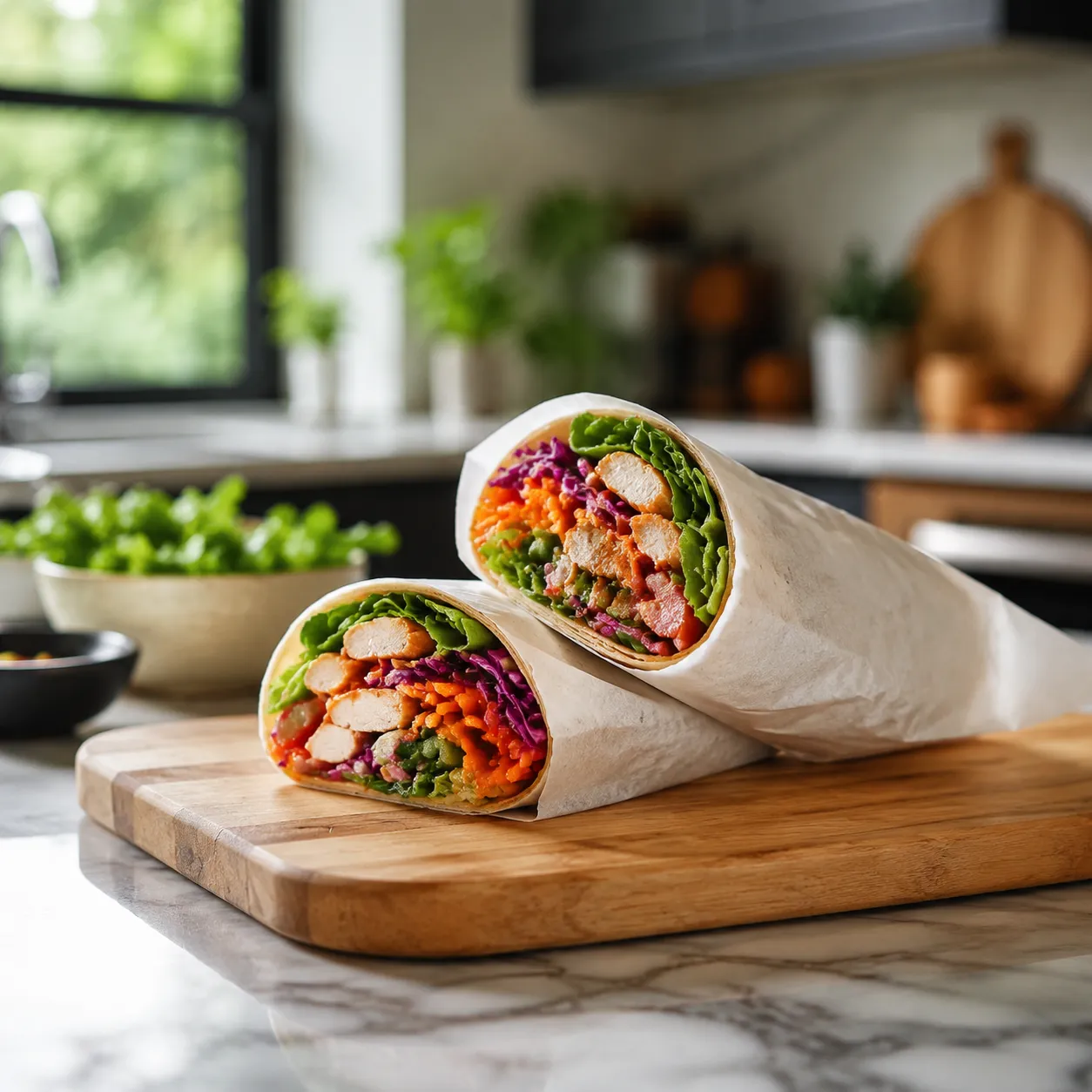
When I compare food wrapping paper vs standard wrapping paper for my own clients, I always start with one thing: compliance. If a paper isn't clearly documented as food-grade material under recognized frameworks, I don't put it anywhere near food.
FDA 21 CFR 176 for US Markets
For the US, FDA-compliant paper for food contact is typically evaluated under FDA 21 CFR 176 (paper and paperboard for food packaging). In practice, that means:
-
- The base paper fibers and additives are approved for food contact.
- Ink systems and coatings are controlled to limit chemical migration risk.
- Production follows defined limits for substances that could transfer into food.
As a custom packaging paper manufacturer serving US buyers, I treat FDA alignment as a baseline for items like food gift wrap, chocolate wrapping paper, and frozen meat butcher paper.
ISO 22000 & QS for Food Safety Management
Beyond the US, food companies and retailers look for a full food safety management system, not just a material spec sheet. That's where ISO22000 certification and QS certification come in:
-
- ISO22000 structures how we identify, control, and monitor hazards from raw pulp to finished food-grade paper.
- QS supports consistent process control so each batch of greaseproof barrier paper, food-safe glassine, or kraft wrap performs the same way.
Together, they give global brands confidence that their food wrapping paper is managed under the same discipline as any other food-contact material.
SGS Testing & FSC for Clean Sourcing
Regulatory compliance is only part of the story. Buyers in the US and Europe also want independent testing and responsible sourcing:
-
- SGS testing verifies that products meet stated standards for food contact, including checks for heavy metal toxicity and overall safety performance.
- FSC certification confirms the paper fibers come from responsibly managed forests, supporting biodegradable food packaging and plastic-free packaging inserts that align with corporate sustainability goals.
When we supply eco kraft-based solutions, such as gift wraps or bags used near food, we apply the same mindset you'll see in guidance on using eco kraft gift bags for food items described in our own kraft gift bag food-use article. Clean sourcing plus tested safety gives you a defensible position with auditors, retailers, and consumers.
Primary Commercial Use Cases for Certified Food Wrapping Paper
When I talk with food brands, retailers, and bakeries in the US, the pattern is always the same: they need packaging that is food-safe, looks good, and actually works in real-world conditions. That's where certified food-grade wrapping paper beats standard wrapping paper every time.
Below are the three core commercial use cases where FDA compliant paper with real greaseproof barriers and wet strength is non‑negotiable.
Specialized Food Gift & Chocolate Packaging
For food gifts and chocolate, presentation matters, but safety comes first. If you're wrapping premium truffles, candy, or gift boxes, you need food gift wrap and chocolate wrapping paper made from food-grade material, printed with food-safe inks, and backed by certifications like FDA, ISO22000, and SGS.
I use custom-printed food gift wrap and dedicated chocolate gift wrapping paper to help brands:
-
- Protect delicate confectionery from grease stains and smudging
- Avoid chemical migration risk from heavy inks and non-food coatings
- Keep colors sharp and on-brand for retail displays and e‑commerce unboxing
For example, our chocolate gift wrapping paper solutions are designed specifically for direct contact and gift-style presentation, combining visual branding with tested food-contact safety:
- Premium chocolate gift wrapping paper for confectionery and specialty chocolate lines
- Custom-printed food gift wrap for holiday sets, subscription boxes, and corporate gifts
Frozen Meat & Butcher Applications
In the meat case, standard wrapping paper simply cannot cope. Frozen and fresh meat need frozen meat butcher paper engineered for:
-
- Wet tensile strength so it won't fall apart with blood, ice, or meltwater
- Moisture management, helping reduce drip and mess in the cold chain
- Low-temperature performance in freezers and refrigerated transport
Our freeze meat butcher paper is designed as a biodegradable food packaging option that replaces plastic-heavy solutions while staying 100% recyclable and degradable. It's a strong fit for:
-
- Butcher shops and meat counters
- Frozen meat processors and co-packers
- Meal kit brands and direct-to-consumer frozen shipping
You can see how we structure this type of solution in our dedicated frozen meat butcher paper line.
Greaseproof & Bakery Liners
Bakeries, cafés, and quick-service spots deal with oil, butter, and sauces all day. Standard decorative paper absorbs grease, looks bad, and can break down fast. That's where greaseproof food wrapping paper and food-safe glassine come in.
I rely on greaseproof & bakery liners to solve three key problems:
-
- Grease resistance – A real greaseproof barrier stops oil from soaking through
- Clean presentation – No see-through stains on pastries, cookies, or sandwiches
- Safer contact – Certified FDA compliant paper designed for direct food contact
Typical applications include:
-
- Wrapping pastries, cookies, and brownies
- Lining bakery boxes and takeaway bags
- Using food-safe glassine envelopes for small treats, nuts, and candy
Across all these use cases, the common thread is clear: certified food wrapping paper is not just a nicer version of standard paper. It's a different level of safety, performance, and brand reliability built specifically for food.
The Operational Failure Points of Standard Paper in Food Scenarios
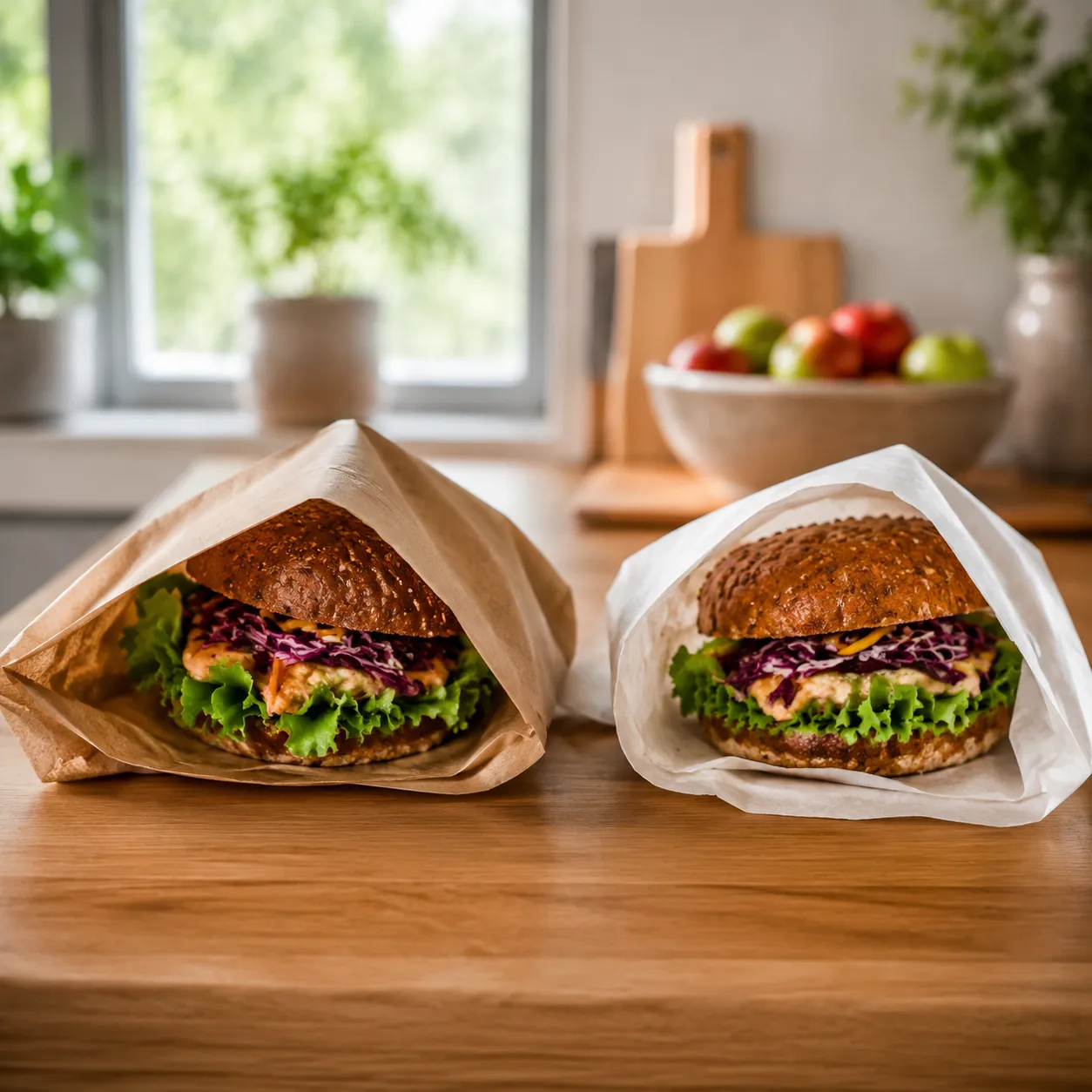
When I look at how standard wrapping paper behaves around food, three failure points show up every time: moisture, grease, and hygiene. None of these are small issues when you're dealing with real kitchens, bakeries, or butcher counters in the US market.
Moisture-Induced Structural Collapse
Standard decorative wrapping paper is built for looks, not for contact with water, steam, or condensation. It doesn't have the wet tensile strength or fiber structure needed for food scenarios.
Here's what typically goes wrong:
-
- Condensation from hot or chilled food quickly weakens the fibers, so the sheet tears, stretches, or sticks to the product.
- Refrigeration and freezing make this worse. Without a food-grade material engineered for low temperatures, the paper becomes soft, mushy, and unreliable.
- Leaking liquids from fresh meat or juicy pastries can stain, bleed through, and cause the wrap to fall apart mid-transport.
This is exactly why we use certified food-grade paper and frozen meat butcher paper with controlled strength and absorption, instead of decorative gift wrap, for any real food operation.
Zero Grease Repulsion
Most standard wrapping paper has no greaseproof barrier at all. Once it encounters oil or fat, two things happen fast:
-
- Grease instantly soaks through, staining the outer surface and undermining any branding or print.
- The sheet loses friction and structure, becoming slippery, flimsy, and hard to handle in a production line or bakery counter.
In contrast, food gift wrap, chocolate wrapping paper, and food-safe glassine are designed with functional coatings and base papers that manage fat and oil without falling apart. That's the difference between packaging that just looks nice and packaging that actually performs in a food environment.
Microbial Vulnerability
Standard wrapping paper is also not engineered with food safety in mind:
-
- It's often stored, handled, and printed like a decorative product, not like a food-contact material.
- When it gets wet or greasy, that damp surface can become a better environment for microbial growth if it's not a certified food-grade material.
- There's no guarantee of food-grade management systems like FDA compliance, ISO22000, QS, or independent SGS testing behind it.
As a custom packaging paper manufacturer focused on food-grade material, I build from certified substrates and controlled production, not from decorative stocks. In food scenarios, that line between "just paper" and truly food-safe packaging makes all the difference for brand protection and day-to-day operations.
Strategic Advantage: Switching to Sustainable, Custom Food-Grade Solutions
When I talk with US food brands, retailers, and butcher shops, the pain points are always the same: food safety risk, messy operations, and packaging that doesn't match the brand story. Switching from standard wrapping paper to certified food-grade, sustainable solutions solves all three.
The "Plastic-Free" Branding Edge
Today, customers look for two things on packaging: food-grade material and plastic-free packaging inserts. When I use certified food wrapping paper instead of plastic film or mixed-material wraps, I get a clear branding edge:
-
- 100% recyclable and degradable paper signals that I care about both safety and sustainability.
- A greaseproof barrier and freezer-ready paper let me replace plastic liners without sacrificing performance.
- FSC-backed sourcing helps prove the fibers come from responsible forests, which matters for US retailers and national food chains trying to hit ESG targets.
For food gift wrap, chocolate wrapping paper, and frozen meat butcher paper, being able to say "plastic-free, food-safe paper" on-pack is a simple message that builds trust fast.
Custom OEM/ODM Branding That Works in the Real World
Generic packaging doesn't cut it when I'm trying to stand out in crowded US supermarket aisles or on delivery apps. That's where custom OEM/ODM food-grade paper matters:
-
- I can dial in materials (kraft, food-safe glassine, butcher-grade paper) based on product and workflow.
- I can customize printing with food-safe inks, brand colors, and messaging without compromising FDA compliant paper standards.
- I get 1-on-1 consulting and free samples, so I can test how my design looks and performs in real kitchens, bakeries, or fulfillment centers.
For deep-dive customization, a dedicated custom packaging paper manufacturer for OEM solutions like Dongguan Xianghe Paper Co., Ltd. is ideal, especially when I want consistent quality across food gift wrap and other branded paper formats:
custom wrapping paper manufacturer for OEM solutions
The Financial Return on Safety
Food-safe packaging isn't just a compliance checkbox; it's a risk management and profit tool. When I move to certified food-grade wrapping paper with FDA, ISO22000, QS, SGS, and FSC backing, the financial benefits show up in several ways:
-
- Lower recall and complaint risk: Reducing chemical migration risk and heavy metal toxicity issues cuts the chance of costly product returns or regulatory action.
- Fewer packaging failures: Better wet tensile strength and greaseproof performance mean less product damage, fewer rewraps, and smoother operations in cold chain and bakery environments.
- Stronger brand value: Safe, sustainable packaging supports premium positioning, letting me justify better margins on gourmet chocolate, specialty meats, and bakery goods.
- Streamlined sourcing: Working with a single, certified custom packaging paper partner simplifies purchasing, reduces hidden costs, and keeps specs consistent across product lines.
In a US market where consumers and regulators are both tightening expectations, investing in sustainable, custom food-grade packaging paper is not a nice-to-have-it's a direct, measurable business advantage.
Frequently Asked Questions (FAQs)
Can you use standard wrapping paper for food if it doesn't touch directly?
No, I don't recommend it. Even if standard wrapping paper doesn't touch the food directly, there's still a chemical migration risk through indirect contact, moisture, and vapor.
Standard decorative paper often uses heavy inks, synthetic dyes, and coatings that are not tested or certified for food-grade material. In a busy US food service environment, it's easy for:
-
- Condensation from hot or cold foods to carry chemicals into the product
- Fibers, dust, or ink flakes to transfer during handling
- Surfaces that "look clean" to contaminate ready-to-eat items
For anything that's going near food, I stick to FDA compliant paper and certified food wrapping paper designed for direct or indirect food contact.
How can I verify if my packaging paper is truly FDA compliant?
I always ask for documentation, not just verbal claims. To verify FDA compliant paper and other food-grade certifications:
-
- Request a certificate of compliance referencing the applicable FDA regulation (for paper, suppliers often reference food-contact requirements alongside ISO22000 and QS certification).
- Ask for SGS test reports or similar third-party lab testing that confirms food safety performance.
- Check for FSC certification to confirm responsible fiber sourcing on top of food safety.
- Work only with a custom packaging paper manufacturer that openly shares its compliance information.
If you're sourcing food wrapping paper like wax sheets or cellophane, reputable suppliers will list food-contact compliance right on their product pages, such as specialized wax sheets for food and food-safe cellophane wrap that are manufactured specifically for food applications.
Does biodegradable wrapping paper always mean it is safe for food contact?
No. Biodegradable food packaging and plastic-free packaging inserts sound great from a sustainability angle, but "biodegradable" doesn't automatically equal food-safe.
A biodegradable paper can still contain:
-
- Non–food-grade inks or coatings
- Residual chemicals that aren't approved for food contact
- Recycled fibers from unknown sources that may carry contaminants
For safe food contact, I look for:
-
- Clear food-grade material claims backed by FDA, ISO22000, QS, and SGS
- Defined performance like a greaseproof barrier for bakery and frozen meat butcher paper
- Verified compliance from an experienced OEM/ODM manufacturer
In short, biodegradable is a sustainability label, not a safety guarantee. For food contact, certified food wrapping paper with proper documentation is the standard I rely on.
Related Sources
- https://www.agilent.com/about/great-science/en/pfas-in-food.html
- https://www.sgs.com/en-gb/news/2025/05/food-contact-materials-testing-and-product-certification
- https://gradientcorp.com/trend_articles/chemical-migration-from-food-packaging/
- https://www.ecfr.gov/current/title-21/chapter-I/subchapter-B/part-176/subpart-B/section-176.170
- https://unwrappedproject.org/recycled-content-in-food-packaging-toxic-chemical-exposure