


Executive Snapshot
I see the Global Wrapping Paper Market Trends and Future Opportunities shifting in a clear direction: buyers want more sustainable packaging solutions, better protection, and stronger brand presentation. The market is expanding across gift wrap, protective wrap, and industrial paper packaging, with growth supported by e-commerce, customization, and tighter packaging rules. Exact market size and CAGR vary by segment and region, but the outlook remains positive for paper-based alternatives.
What is changing
-
- Gift wrap is moving toward custom printed gift wrap and premium presentation.
- Protective wrap is gaining ground as brands replace plastic fillers, bubble wrap, and foam.
- Industrial paper packaging is rising where buyers need dependable strength, food safety, and cleaner materials.
Why buyers are changing
-
- Sustainability is now a purchase filter, not a bonus.
- Regulation is pushing demand away from plastic and EPS foam.
- E-commerce is turning packaging into a direct brand touchpoint, where premium unboxing experience and e-commerce shipping damage reduction matter as much as cost.
For me, the message is simple: buyers are no longer choosing wrapping paper only for appearance. They are choosing eco-friendly wrapping paper, plastic-free packaging materials, and FSC certified paper products that can support protection, compliance, and brand value at the same time.
Market Growth Drivers in Global Wrapping Paper Market Trends and Future Opportunities
Regulation is changing buying habits
I see demand shifting fast as plastic bans, EPS foam restrictions, and tighter packaging laws push buyers toward plastic-free packaging materials. For many teams, compliance is no longer a side issue - it is part of the purchase decision. I also keep an eye on industry standards for packaging paper because buyers now want materials that fit both policy and performance needs.
Packaging is now a brand touchpoint
The unboxing experience matters more than ever in e-commerce and social commerce. Packaging is no longer just protection - it helps shape how a brand feels the moment the box is opened.
-
- Custom printed gift wrap supports brand identity and premium positioning.
- Eco-friendly wrapping paper adds a cleaner, more responsible image.
- Premium unboxing experience content can help packaging perform better across retail and online channels.
Procurement is moving to paper-based options
I see procurement teams moving toward paper because they want simpler sourcing, better recyclability, and lower risk.
-
- Paper-based formats support sustainable packaging solutions without relying on foam or plastic fillers.
- Recyclable cushion paper pads and related paper options fit damage-reduction goals.
- Buyers want materials that are practical, scalable, and easier to align with long-term packaging policies.
What this means for demand
The strongest demand is coming from brands that need packaging to do three jobs at once: protect products, meet compliance requirements, and support presentation. That is why B2B packaging manufacturer searches are increasingly tied to recyclable, paper-based formats that can serve both retail and industrial needs.
Material Shift in Paper Packaging
I see a clear move toward paper-based packaging, and kraft paper rolls stay at the center of that shift. For brands looking for sustainable packaging solutions, they offer a simple balance of strength, flexibility, and cost control without leaning on plastic-heavy formats.
Why Kraft Paper Rolls Matter
Kraft paper rolls work well across protective wrap, void fill, and product presentation. I rely on them because they are practical for fast-moving operations and easier to adapt across different pack sizes and use cases.
-
- Strong and flexible: good for wrapping, layering, and surface protection
- Cost-aware: helps keep packaging spend under control
- Reusable in workflow: fits manual packing and scalable production lines
- Paper-first format: supports plastic-free packaging materials goals
For businesses that want a cleaner presentation, I also use honeycomb kraft paper solutions when a stronger protective structure is needed.
Biodegradable and FSC-Certified Demand
Biodegradable kraft paper rolls fit the way global buyers are sourcing today. They support a lower-impact packaging strategy while still holding up in daily use, which is why FSC certified paper products are becoming more important in B2B purchasing.
-
- Biodegradable support: fits circular packaging goals
- FSC certified paper products: helps buyers align with responsible sourcing
- Plastic-free packaging materials: match the move away from traditional fillers
- Easy to standardize: useful for OEM/ODM packaging supplier programs
For me, the real value is simple: kraft paper gives brands a reliable base for eco-friendly wrapping paper, better packaging consistency, and a cleaner path to scale.
Honeycomb and Cushion Paper Trends
Shock Protection
I see more buyers shifting to custom honeycomb packaging paper because it gives paper-based parcels better shock absorption and load support. The 3D honeycomb structure helps stabilize products in transit without relying on plastic fillers. For a practical breakdown of material selection and use, I reference how to choose and use honeycomb packing paper.
Recyclable Cushioning
Recyclable cushion paper pads are taking space from bubble wrap and foam fillers because they fit cleaner into sustainable packaging solutions. They are easier to align with plastic-free packaging goals, and they help brands keep packaging simple, recyclable, and more consistent across shipments.
Transit Performance
What matters to me is the balance between protection and efficiency. Paper-based cushioning keeps structural integrity while reducing shipping weight, which helps improve transit performance and can support e-commerce shipping damage reduction. In practice, that makes honeycomb and cushion paper a strong fit for brands that want safer shipping without adding bulky materials.
Custom Printed Gift Wrap
I treat custom printed gift wrap as a direct brand tool, not just a cover. It helps me shape brand identity, support premium positioning, and keep the look consistent across retail and e-commerce orders.
Why Presentation Matters
The premium unboxing experience is a real buying signal. When the wrap looks intentional, the product feels more valuable before it is even opened.
-
- Texture adds a stronger hand-feel and makes the package seem more refined.
- Color helps me keep the brand look clear and recognizable.
- Surface finish changes how customers read quality at first glance.
For gift-focused orders, I also see value in pairing presentation with simple wrapping methods, like the approach shown in gift wrapping with ribbon and wrapping paper, because the final look is often what customers remember.
Brand Impact
When I use premium gift wrapping paper with the right print and finish, I can make the pack feel more polished without changing the product itself. That is why eco-friendly wrapping paper and well-designed custom prints keep gaining attention in modern retail and online sales.
Food-Grade and Specialty Wrap Demand
Food-Safe Packaging
I see food-grade wrapping paper gaining steady traction in B2B supply chains because buyers want packaging that supports food handling, presentation, and everyday operations without adding complexity. In my view, this demand is strongest where brands need a simple fit for confectionery, bakery, and gourmet products.
Greaseproof food wrap matters here because it helps protect product quality and keep oil transfer under control during packing, display, and takeaway use. For buyers building food-contact packaging programs, I focus on options like food wrapping paper for food packaging applications that can serve both practical use and brand presentation.
Premium Layers
Glassine envelopes bulk orders and tissue layers also play a useful role in premium food and retail packaging. They add a cleaner look, support product separation, and help brands build a more polished unboxing and shelf experience.
For premium gifting and retail packs, I also see food gift wrap as a strong fit when the goal is to combine food-grade wrapping paper with a more refined finish.
Supply Chain and Cost Opportunities in the Global Wrapping Paper Market
Lower Damage, Lower Waste
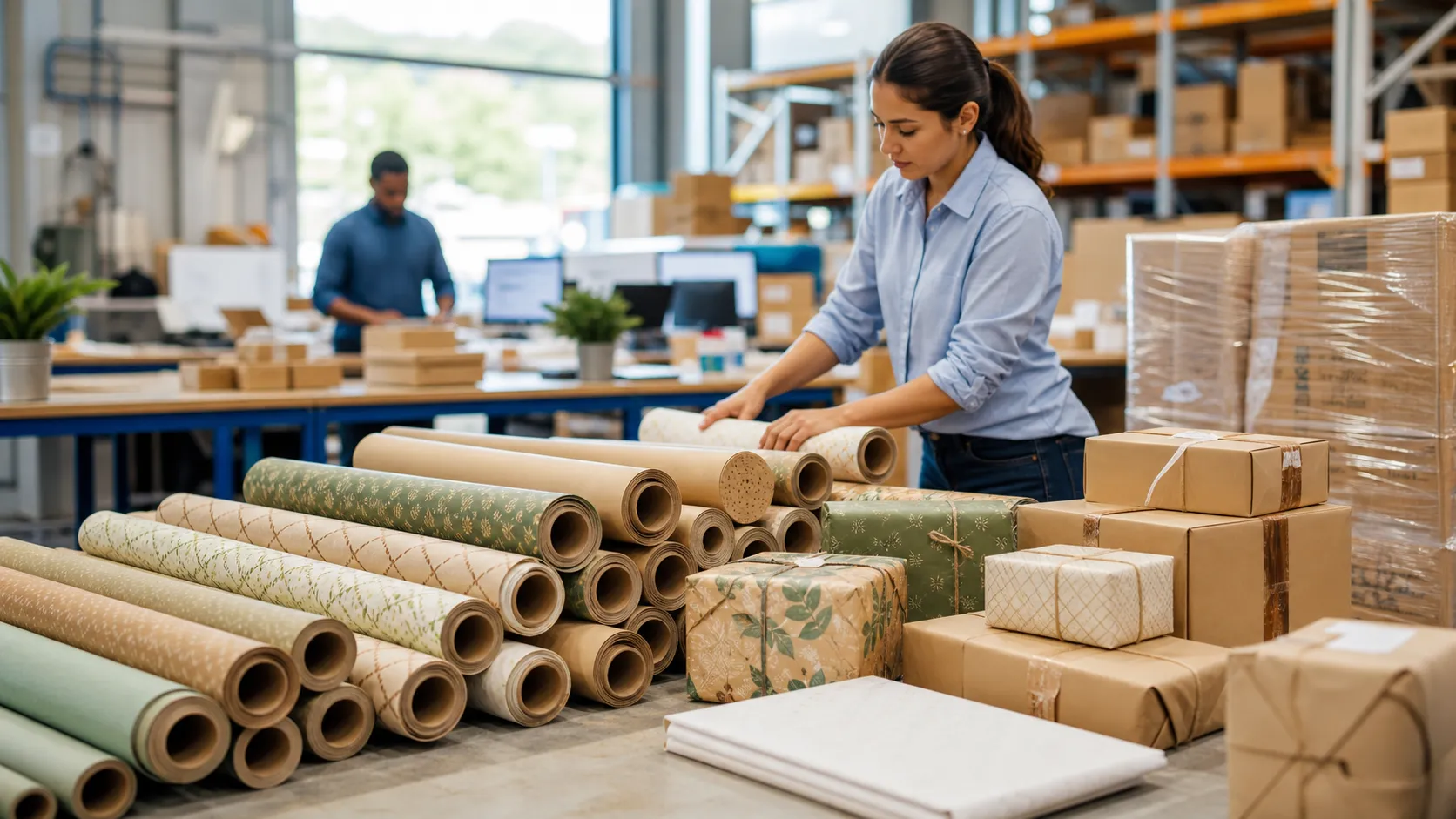
We see paper packaging create real cost control for B2B buyers. When shipping damage drops, replacement orders, returns, and extra handling also drop. In client cases, paper-based packaging has helped cut packaging costs by 15% and reduce shipping damage by more than 40%, which is why I treat it as a practical part of e-commerce shipping damage reduction, not just a design choice.
Smarter Sourcing
Freight pressure and inventory risk keep pushing buyers to simplify their packaging base. I focus on paper solutions that are easier to source, easier to store, and easier to scale across markets. That includes sustainable packaging solutions such as honeycomb packaging paper, recyclable cushion paper pads, and kraft paper rolls, along with FSC certified paper products that support more stable purchasing decisions. Our environmental protection and sustainable development approach reflects that shift toward cleaner supply chains.
Margin And Scale
For brands that want room to grow, I see the biggest value in packaging that protects products while keeping total landed cost under control. Paper-based formats can support better transit performance, fewer replacements, and a cleaner buying story for retail and export programs.
-
- Less breakage: helps reduce claim rates and reshipment costs
- Less weight: supports freight efficiency
- Less complexity: makes regional sourcing and inventory planning easier
- More flexibility: gives buyers room to scale without heavy material risk
Regional Market Outlook for Global Wrapping Paper Market Trends and Future Opportunities
I see the strongest wrapping paper demand coming from three clear regions: North America, Europe, and Asia. Each market is moving in a slightly different way, but the direction is the same: more sustainable packaging solutions, more custom branding, and more pressure to work with a reliable B2B packaging manufacturer.
North America
-
- Buyers want eco-friendly wrapping paper that supports retail, gifting, and e-commerce packaging.
- Procurement teams are paying more attention to e-commerce shipping damage reduction and recyclable paper-based alternatives.
- Custom formats matter, especially for brands that want a cleaner, more premium presentation.
Europe
-
- Sustainability rules and buyer expectations are pushing demand toward FSC certified paper products and plastic-free packaging materials.
- I see stronger interest in paper that is practical, compliant, and easy to scale across export channels.
- Brands want packaging that looks premium but still fits circular packaging goals.
Asia
-
- Asia continues to play a major role in export supply, OEM production, and fast-turn custom packaging.
- Buyers often look for OEM/ODM packaging supplier support, especially for branded retail programs and export orders.
- Flexibility matters here: different product sizes, paper grades, and packaging formats need to move quickly.
| Region | Main Buyer Priority | Packaging Direction |
|---|---|---|
| North America | Brand presentation and damage control | Recyclable, custom paper packaging |
| Europe | Compliance and sustainability | FSC certified, plastic-free materials |
| Asia | Export speed and OEM/ODM flexibility | Scalable custom wrapping paper production |
What Global Buyers Want
Global buyers want a partner that can handle real-world needs, not just basic supply. In my view, that means: - Stable quality for export markets - Custom paper packaging options - Fast OEM/ODM support - Food-safe and recyclable material choices - Clear communication and consistent production
For brands that need tailored solutions, I treat custom wrapping paper manufacturing for OEM projects as a core fit for regional market demands. For export-focused buyers, export-quality wrapping paper manufacturing helps keep product expectations aligned across different markets.
Future Opportunities in Global Wrapping Paper Market Trends
I see the next growth cycle favoring sustainable packaging solutions that do three jobs at once: protect the product, support the brand, and keep the pack easy to recycle. Buyers want less plastic, cleaner presentation, and paper formats that scale across shipping, retail, and food channels.
Where the Market Is Growing
| Product area | Buyer need | My view on growth |
|---|---|---|
| Honeycomb packaging paper | Shock absorption and load protection | Strong upside in e-commerce and transit-heavy supply chains |
| Recyclable cushion paper pads | Safer shipping with less filler waste | Good fit for brands cutting e-commerce shipping damage |
| Biodegradable kraft paper rolls | Flexible wrap and cost control | Still a core choice for broad paper packaging use |
| Food-grade wrapping paper | Clean, food-safe contact use | Growing in confectionery, bakery, and premium food supply chains |
| Premium gift wrapping paper | Shelf appeal and brand image | Keeps rising with the premium unboxing experience |
What I Prioritize
-
- Protection and presentation together: I do not treat them as separate problems anymore.
- Scalable paper substrates: I look for formats that work across multiple SKUs without changing the whole pack structure.
- Recyclable materials: I favor plastic-free packaging materials that fit current buyer expectations.
- Stable procurement: I want paper options that help control freight pressure, replacement cost, and inventory risk.
For retail-ready kits and brand packaging, I also see strong demand for recycled shredded paper for packaging, especially when brands want cleaner fill, better color, and a stronger premium unboxing experience.
Long-Term Value
I choose paper systems that can support:
- Premium presentation
- E-commerce shipping damage reduction
- Food-safe and retail-safe use
- FSC certified paper products
- OEM/ODM packaging supplier flexibility
That is where the strongest opportunity sits: paper substrates that stay simple, scalable, and ready for multiple markets.
Why Xianghe Fits the Shift
I see Dongguan Xianghe Paper Co., Ltd. as a strong fit for the changing global wrapping paper market because it aligns with what buyers now want: sustainable packaging solutions, custom paper packaging, and tighter control over risk.
OEM/ODM Support
As an OEM/ODM packaging supplier, Xianghe supports custom needs across wrapping paper, honeycomb packaging paper, cushion paper pads, shredded paper, and paper bags. That matters when I need packaging that matches different product lines, branding styles, and industry requirements without slowing down sourcing.
Certifications That Matter
For me, certifications are not just labels. They are a basic trust check.
-
- FSC for responsible sourcing
- SGS for third-party verification
- FDA and QS for food-related use
- ISO9001 for quality management
- ISO22000 for food safety management
Those standards help reduce buyer risk, especially when I am sourcing food-grade wrapping paper, greaseproof food wrap, or other plastic-free packaging materials for export markets.
Experience Reduces Risk
Xianghe was founded in 2008 and brings more than 16 years of manufacturing experience. With 200+ international clients across 30+ countries, the company shows the kind of manufacturing depth and international compliance that global buyers expect from a reliable B2B packaging manufacturer.
What I Value Most
-
- Custom solutions for different packaging needs
- One-on-one consulting for faster alignment
- Free samples to help evaluate fit before larger orders
- A clear focus on recyclable and eco-friendly wrapping paper
For global buyers, that combination of experience, compliance, and flexible production makes Xianghe a practical partner for long-term packaging sourcing.
FAQs
What is driving the global wrapping paper market right now?
I see the market moving in three clear directions: sustainability, better brand presentation, and safer shipping. Buyers want eco-friendly wrapping paper that helps cut plastic use, supports a premium unboxing experience, and fits modern retail and e-commerce needs. For me, the biggest shift is simple: packaging now has to protect, present, and support compliance at the same time.
Which paper materials are replacing plastic packaging the fastest?
The fastest-moving options are biodegradable kraft paper rolls, FSC certified paper products, custom honeycomb packaging paper, and recyclable cushion paper pads. These materials are popular because they are practical, recyclable, and easier to align with plastic-free packaging materials goals. In my view, brands are choosing paper-based formats because they can reduce waste without giving up strength.
How does honeycomb paper compare with EPS foam for protection?
Honeycomb paper gives strong shock absorption and load support while staying paper-based and recyclable. It is a smart replacement for EPS foam when buyers want a lighter, cleaner packaging system with lower environmental impact. I often point buyers to honeycomb packaging paper for moving when they want better transit protection without using foam fillers.
What certifications should buyers look for in food-contact paper products?
For food-contact paper products, I would look for FDA, FSC, SGS, QS, ISO9001, and ISO22000 where relevant. These certifications help buyers judge food safety, quality control, and manufacturing consistency. For categories like food-grade wrapping paper and greaseproof food wrap, this matters because the paper has to perform well and meet supply chain expectations.
How can brands improve the unboxing experience while staying sustainable?
I keep it simple: use custom printed gift wrap, clean surface finishes, and paper-based fillers that support the product story without adding plastic. Texture, color, and presentation matter, but they should still fit a sustainable format. If the goal is a stronger gift impression, I also consider wrapping styles like the ones discussed in gift wrapping paper ideas for a friendship gift because presentation still drives buyer perception.
What should procurement teams ask before choosing a packaging supplier?
I always ask about five things:
- Can they support OEM/ODM packaging supplier needs?
- Do they offer custom formats like custom honeycomb packaging paper or custom printed gift wrap?
- Which certifications do they hold, such as FSC certified paper products and ISO22000?
- Can they handle food-safe or specialty packaging like greaseproof food wrap?
- Do they have proof of real-world performance, including e-commerce shipping damage reduction and cost control?
When I evaluate a B2B packaging manufacturer, I want more than a product list. I want reliable quality, clear compliance, and the ability to scale with the business.