


If you've been wondering why paper wrapping is becoming such a popular alternative to plastic packaging, you're not alone.
Businesses are under more pressure than ever to cut waste, reduce compliance costs, and still protect products during shipping. And that's exactly why paper packaging is moving from a "nice-to-have" to a smart, practical choice.
In this guide, you'll see what's driving the switch, where paper actually outperforms plastic, and what to watch out for before making the change.
Let's dive in.
Why Paper Wrapping Is Becoming a Popular Alternative to Plastic Packaging
What Is Driving the Shift
I see more buyers moving away from plastic because they want packaging that is easier to handle, easier to recycle, and better aligned with sustainability goals. Paper wrapping gives businesses a practical way to reduce plastic use without giving up everyday performance.
Why Buyers Are Rethinking Plastic
The biggest concern is simple: packaging now has to do more than just cover a product. It has to support brand image, protect items in transit, and fit modern recycling expectations. That is why options like honeycomb packaging paper, paper cushion pads, and protective kraft paper rolls are replacing many plastic-based materials.
Sustainability and Protection
Paper wrapping fits both goals at the same time:
- Eco-friendly: our paper packaging is designed to support a plastic-free, recyclable approach.
- Lower impact: honeycomb paper can deliver strong performance with much lower carbon emissions than EPS foam.
- Reliable protection: paper cushion pads and honeycomb structures help absorb shock and reduce shipping damage.
For me, that balance is the real reason paper wrapping keeps growing in global packaging: it supports sustainability targets while still protecting products in real shipping conditions.
Environmental Benefits of Paper Wrapping
I choose paper wrapping because it fits a cleaner, simpler end-of-life story. Compared with plastic, paper is easier to sort, recycle, and bring back into use in real-world systems.
Paper vs. Plastic
| Factor | Paper Wrapping | Plastic Packaging |
|---|---|---|
| Breakdown | Breaks down more naturally | Stays in the environment longer |
| Recycling | Easier to recycle in many systems | Often harder to recycle cleanly |
| Sourcing | Can use FSC-certified paper | Usually tied to fossil-based materials |
| Brand fit | Supports sustainable packaging solutions | Less aligned with plastic-free goals |
Why FSC Sourcing Matters
I also pay attention to FSC-certified paper supplier standards. FSC sourcing supports responsible packaging by linking paper use to managed forestry and clearer sourcing practices.
A Practical Example
For a strong paper-based option, I use honeycomb paper rolls. They are 100% recyclable, and the honeycomb paper structure can cut carbon emissions to about 1/5 of EPS foam.
Simple Takeaway
-
- Paper wrapping supports a lower-waste packaging plan.
- It is easier to fit into everyday recycling habits.
- FSC-certified sourcing makes the supply chain feel more responsible.
- It gives buyers a cleaner path to sustainable packaging solutions.
Protection Performance of Paper Packaging
When I pack products for shipping, I want two things at the same time: real protection and a cleaner material choice. That is where paper packaging stands out.
Shock Absorption That Holds Up
I use honeycomb packaging paper when I need strong cushioning without plastic fillers. Its 3D structure helps absorb impact and reduce pressure during transit, which is why it works well for fragile items and mixed-size shipments. For product lines that need more wrap-around support, I rely on honeycomb paper rolls to add a protective layer that helps cut down shipping damage.
Paper Cushion Pads vs. Plastic Fillers
Paper cushion pads make sense when I want simple, efficient protection inside the box. They are a strong fit for:
-
- fragile products that need steady support
- items that shift during transport
- packing setups that need fast handling on the warehouse floor
Compared with loose plastic fillers, paper pads are easier to manage and fit better into a sustainable packaging workflow.
Kraft Paper for Surface Protection
I also use protective kraft paper rolls when the main problem is surface damage. They help reduce:
-
- ·scratches
- ·dents
- ·scuff marks
- pressure damage in storage and shipping
That makes kraft paper a practical choice for everyday packing, especially when I want a cleaner look and less waste in the box.
What This Means in Practice
For me, the value is simple: paper packaging can protect products while staying aligned with sustainable packaging solutions. In real shipping use, that means better shock absorption, less product movement, and a lower risk of damage without leaning on plastic-based fillers.
Cost and Compliance
When I look at why paper wrapping keeps replacing plastic packaging, cost control and compliance come up fast. Buyers want a setup that is easier to source, easier to explain, and easier to manage under tighter packaging rules. I also see teams factoring in plastic packaging tax compliance and Extended Producer Responsibility (EPR) when they compare materials, which makes certified paper options more attractive. For packaging checks, I keep an eye on industry standards for packaging paper so the material choice lines up with real buying requirements.
What Buyers Care About
-
- Supplier checks: FSC, SGS, FDA, QS, ISO9001, and ISO22000 certifications help support a cleaner review process.
- Material planning: custom paper packaging gives buyers more control over what they use and where it goes.
- Warehouse space optimization: bulk formats like kraft paper roll and honeycomb packaging paper are practical for high-volume storage and packing.
Why It Wins
-
- Less waste in the system: paper can be matched more closely to the job, which helps avoid overpacking.
- Better operational flow: paper wrapping fits efficient production and custom runs without adding complexity.
- More confidence for buyers: certified, food-grade, and eco-friendly packaging options make approval easier across markets.
Paper Wrapping in E-Commerce
Faster Packing
In e-commerce and fulfillment, I want packaging that keeps the line moving. Paper wrapping does that because it is simple to handle, easy to fold, and works well with our eco-friendly wrapping paper roll for fast, repeatable packing on the warehouse floor. It supports a cleaner workflow without adding extra steps.
Easier Disposal
Paper also makes disposal easier for customers and warehouse teams. When I use recyclable paper fillers and wraps, the pack-out feels less messy and more aligned with sustainable packaging solutions. That matters for global buyers who want practical packaging that fits modern recycling habits.
Better Unboxing
A clean paper pack-out also improves the eco-friendly unboxing experience. For apparel and soft goods, packing tissue paper for shipping clothes adds a neat finish while keeping the presentation professional. It helps my shipments look organized, intentional, and brand-ready from the moment the box opens.
Paper Wrapping for Different Industries
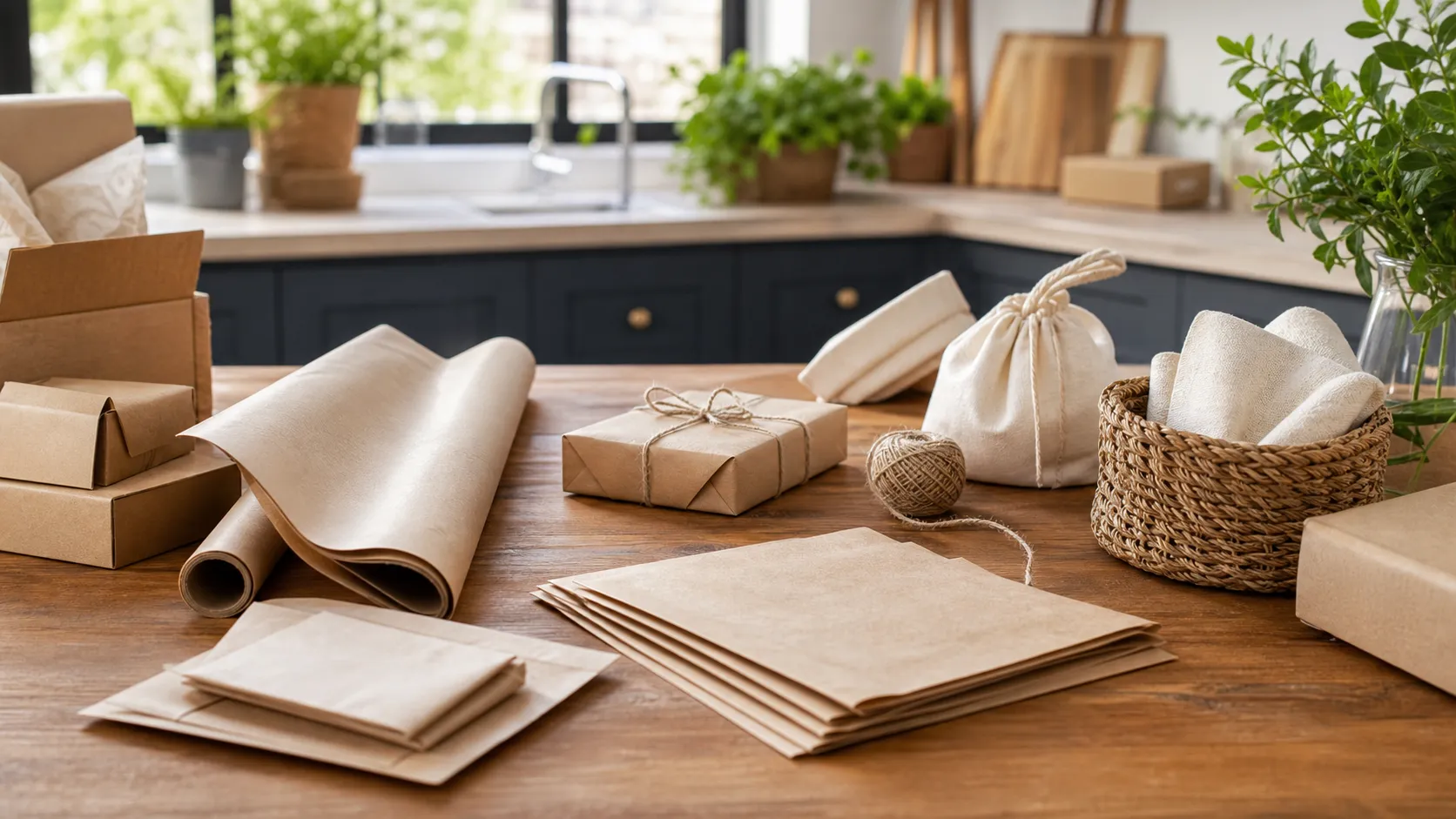
I use paper wrapping across retail, food, and heavier shipments because it keeps packing simple, clean, and more sustainable. For my customers, the goal is the same: protect the product, keep the packout fast, and create a better unboxing experience.
Retail and branded shipping
| Use case | Best paper option | Main benefit |
|---|---|---|
| Apparel and cosmetics | Wrapping paper, paper bags | Clean presentation, easy packing |
| Retail orders | Honeycomb packaging paper, paper cushion pads | Better protection in transit |
| Bulk packing | Kraft paper roll | Simple, flexible fill and wrap |
-
- For apparel, cosmetics, and general retail shipping, I keep the finish neat and the packing flow fast.
- Honeycomb packaging paper adds shock absorption capabilities without making the box feel bulky.
- Paper bags and wrapping paper help keep the look professional while staying aligned with sustainable packaging solutions.
Food-grade wrapping
For food-safe wrapping needs, I use food-grade options made for safe handling and cleaner disposal. That includes food gift wrap, chocolate gift wrapping paper, freeze meat butcher paper, and small glassine envelopes.
-
- I use food wrapping paper and wax sheets for food when the job needs a food-grade packaging option.
- Compostable glassine envelopes are a strong fit when grease resistance and neat sealing matter.
- These choices work well when the packing job needs safety, presentation, and simple handling in one format.
Heavy-duty shipments
For heavier or more fragile orders, I rely on paper that can take pressure and reduce damage.
-
- Honeycomb packaging paper helps cushion impact and protect edges.
- Paper cushion pads work well when I need extra fill and separation.
- Protective kraft paper rolls help reduce scratches, dents, and shipping damage during storage and transit.
In practice, paper wrapping gives me one system that fits retail, food, and industrial shipping without adding unnecessary plastic.
Choosing the Right Paper Wrapping Material
I start with three things: what I am shipping, how much protection it needs, and how the buyer will dispose of it. If I need a broader supplier view, I also check a wrapping paper manufacturer guide before I lock in a format.
Biodegradable Wrapping Material vs Kraft Paper
| Option | Best fit | What I look for |
|---|---|---|
| Biodegradable wrapping material | Sustainability-led shipping and cleaner disposal | Simple use, strong eco message, and fit for light-to-medium protection |
| Kraft paper | General wrapping, bulk packing, and roll-based use | Stable strength, easy handling, and wide everyday shipping use |
Strength, Thickness, and Barrier Needs
| Need | My pick | Why it works |
|---|---|---|
| Shock absorption | Honeycomb packaging paper | It adds cushioning and helps reduce shipping damage |
| Surface protection | Protective kraft paper rolls | Good for lowering scratches and dents |
| Extra padding | Paper cushion pads | Better when I need simple fill and wrap support |
| Food or grease control | Food-grade wrapping options | Better when barrier performance matters more than basic wrap |
For tougher shipments, I compare the wrap with how to use honeycomb packing paper because shock absorption matters as much as the paper itself.
What I Ask an FSC-Certified Supplier
-
- Is the paper FSC-certified?
- Do you offer custom paper packaging solutions?
- Can I get free samples before ordering?
- Do you support OEM/ODM for my size and format?
- Which option fits my protection goal: wrap, roll, pad, or honeycomb?
- Do you offer 1-on-1 consulting, real-time tracking, and after-sales support?
For me, the right paper wrapping material is the one that balances strength, thickness, and barrier needs without making the pack look overbuilt.
Common Concerns About Paper Packaging
Can paper really protect fragile products?
I hear this concern a lot, and it is fair. Paper packaging works best when I match the material to the job. For fragile items, I use solutions like honeycomb packaging paper and paper cushion pads because they are built for shock absorption and product protection, not just filling space.
Is it strong enough for long-distance shipping?
Yes, when the right format is used. Honeycomb paper has a 3D structure that helps absorb impact during transit, which makes it a practical option for shipping needs where standard paper alone would feel too light. In real-world customer feedback, paper packaging has also been linked to less shipping damage.
What about moisture, weight, and storage pressure?
Paper packaging is not a one-size-fits-all answer, so I focus on the right paper type and proper storage. For wrapping paper, storage conditions matter, which is why I follow clear handling guidance like our guide to storage conditions for wrapping paper. That helps keep the material in good shape before use.
The practical takeaway
-
- Fragile goods: use honeycomb paper or cushion pads
- Shipping protection: choose paper formats with real shock absorption
- Storage control: keep paper in proper conditions
- Eco-friendly goals: keep the packaging recyclable and plastic-free
For me, the question is not whether paper can protect products. It is whether I am using the right paper solution for the item, the route, and the storage conditions.
FAQs About Paper Wrapping as a Plastic Alternative
What makes paper wrapping more sustainable than plastic?
Paper wrapping fits modern sustainable packaging solutions because it is plastic-free, recyclable, and easier to source from responsible fiber systems. In my view, the biggest edge is simple: paper can be reused, recovered, and handled with less waste pressure than many plastic formats. Options like honeycomb packaging paper also support lower-impact shipping, with far less carbon than EPS foam.
Is paper wrapping fully recyclable and biodegradable?
In many cases, yes, but it depends on the exact format and how it is used. Plain paper wraps, protective kraft paper rolls, and paper cushion pads are designed to fit real-world recycling systems better than mixed plastic films. For businesses comparing formats, I recommend reviewing our wrapping paper vs plastic film comparison to match performance with disposal needs.
Which paper packaging formats work best for shipping and storage?
For shipping protection, I focus on formats that balance strength and shock absorption capabilities:
- Honeycomb packaging paper for cushioning and reduced shipping damage
- Paper cushion pads for filling empty space and protecting product edges
- Protective kraft paper rolls for wrapping, layering, and scratch control
- Compostable glassine envelopes for cleaner, food-safe, and grease-resistant needs
How can businesses switch without hurting product protection?
I switch by matching the paper format to the product, not by treating all paper as the same. That usually means: - Choosing thicker paper where weight and storage pressure are higher - Using honeycomb paper for fragile items that need shock absorption - Using kraft paper for surface protection and scratch reduction - Working with an FSC-certified paper supplier that can support custom paper packaging and consistent quality
For global buyers, the goal is not just to replace plastic. It is to keep protection strong, improve the eco-friendly unboxing experience, and stay ready for plastic packaging tax compliance and Extended Producer Responsibility (EPR) requirements.
Choosing a Packaging Partner
When I choose a sustainable packaging solutions partner, I start with two things: proof and capacity. A supplier should have the certifications to back up the claim, and the production setup to keep quality steady when orders grow.
What I check first
-
- Certifications: FSC, SGS, FDA, QS, ISO9001, and ISO22000 matter because they show the supplier is built for consistent, responsible production.
- Production capacity: Advanced equipment and stable output matter when I need to scale without changing the look or feel of the packaging.
- Support: OEM/ODM service, 1-on-1 consulting, free samples, real-time tracking, and 7x24 after-sales support make the process easier to manage.
Why this matters for my brand
Custom paper packaging is not just about filling a box. It helps me keep the same size, print, and protective level across every shipment, which protects brand consistency as volume grows. I also want packaging that performs in real use, so I pay attention to packaging paper performance characteristics and the testing standards for packaging paper before I commit.
What strong custom packaging should deliver
-
- A consistent fit for different product sizes
- Reliable protection with paper cushion pads, honeycomb packaging paper, or protective kraft paper rolls
- A clean, eco-friendly unboxing experience
- Materials that support plastic-free, recyclable packaging goals
For me, the right partner is the one that can handle custom paper packaging at scale without losing quality, safety, or brand control.