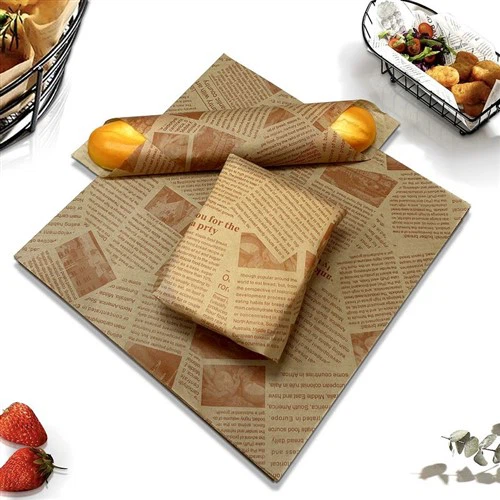
The primary raw material for packaging paper is plant fiber, including wood fiber, bamboo fiber, and straw fiber. These plant fibers originate from coniferous woods such as larch, red pine, Masson pine, Yunnan pine, and Mongolian pine; and broadleaf woods such as poplar, birch, and eucalyptus.
Second, besides plant fibers, packaging paper can also use non-plant fibers as raw materials. These non-plant fibers include inorganic fibers, chemical fibers, and metal fibers.
Third, in modern papermaking, polymer materials obtained from petroleum cracking are also frequently used as raw materials for packaging paper. These materials provide the papermaking industry with more choices and possibilities.
Fourth, globally, plant fibers are the mainstream raw material for papermaking, especially in economically developed countries, where coniferous and broadleaf woods account for over 95% of total consumption.
Fifth, the raw materials for plant fiber papermaking are diverse, including not only the aforementioned coniferous and broadleaf woods, but also herbaceous plants, bast fibers, wool fibers, and waste paper fibers. This diversity of raw materials allows packaging paper production to meet different needs and occasions.