

Thinking about switching to biodegradable wrapping paper but not sure if it's really better than traditional paper?
You're not alone.
More brands, e‑commerce stores, and manufacturers are asking the same question:
Is eco-friendly packaging just a trend-or the actual future of packaging?
In this guide, you'll see how biodegradable wrapping paper vs traditional paper really compares in the real world:
from environmental impact and customer perception to cost, performance, and regulatory pressure.
If you want packaging that protects your products, your brand, and the planet, keep reading-because your next packaging decision could define your future-proof strategy.
Biodegradable Wrapping Paper vs Traditional Paper
The reality of traditional wrapping paper
Most "traditional" wrapping paper isn't just paper. It often includes:
-
- Plastic film laminations
- Foil or glitter
- Synthetic inks and coatings
That mix looks good on the shelf, but it usually means:
-
- Not recyclable in normal paper streams
- Not compostable and sits in landfills
- Higher carbon footprint from plastics and energy-heavy coatings
For brands that care about eco-friendly packaging solutions, that's a real problem. You pay for "paper," but you get hidden plastic.
The blueprint of true biodegradable paper
When I talk about biodegradable wrapping paper, I'm talking about materials engineered from the start to break down and stay in the paper loop, not the plastic loop.
At Xianghe, that means:
-
- 100% recyclable paper fibers
- Degradable, plastic-free structures
- Food-grade, greaseproof options for recyclable food-grade wrap
- Compostable honeycomb packaging paper and biodegradable cushion pads as plastic-free shipping alternatives
- FSC certified paper manufacturing supported by certifications like FSC, SGS, FDA, QS, ISO9001, ISO22000
This is the core of sustainable wrapping materials: real paper, no hidden plastic, designed for recycling and degradation.
Material performance comparison table
| Feature | Traditional Wrapping Paper | Biodegradable Wrapping Paper (Xianghe-style) |
|---|---|---|
| Base material | Mixed paper + plastic/foil | Paper-only, plastic-free |
| Recyclability | Often non-recyclable | 100% recyclable paper streams |
| Biodegradability | Low (plastic coatings remain) | Degradable and eco-friendly |
| Food contact | Not typically food-grade | Food-grade, greaseproof options available |
| Structural options | Flat sheet only | Honeycomb packaging paper, kraft paper rolls, cushion pads |
| Carbon impact | Higher (plastic + energy-heavy coatings) | Lower; honeycomb emits about 1/5 the carbon of EPS foam |
| Typical use | Single-use gift wrap | Compostable gift wrap, plastic-free shipping alternatives |
This is why I back biodegradable wrapping paper vs traditional paper: it delivers real sustainability without sacrificing performance.
Functional Parity: Can Eco-Friendly Paper Match Traditional Performance?
Debunking the Durability Myth
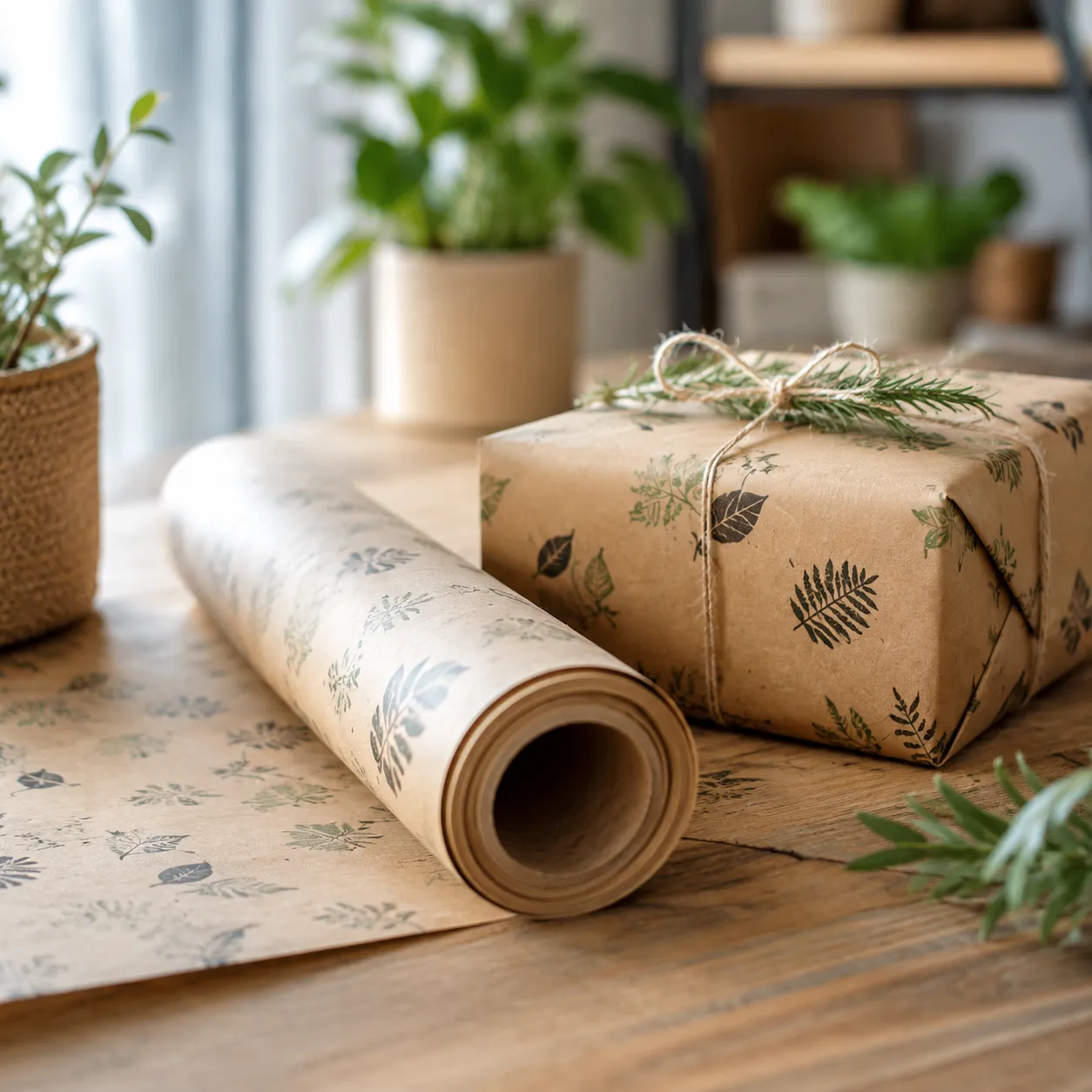
One of the first questions I hear from US brands is simple: "Will biodegradable wrapping paper hold up like the traditional stuff?" The short answer is yes when it's engineered right.
Traditional wrapping paper often relies on plastic coatings or laminations to feel strong and resist tearing. That comes at a cost: it usually kills recyclability and adds waste. With modern eco-friendly packaging solutions, we design strength into the fiber structure and into how the paper is used, instead of depending on plastic.
At Xianghe, we work with:
-
- Food-grade, greaseproof wrapping paper that can handle everyday handling, folding, and taping.
- Compostable gift wrap and kraft paper rolls that offer the "heft" people expect from quality packaging.
- Biodegradable cushion pads and honeycomb packaging paper that add impact protection without any plastic.
So in normal retail and e‑commerce scenarios-gift wrap, food service, box lining-properly designed biodegradable wrapping paper matches traditional paper performance without the plastic baggage.
Advanced Engineering in Action
The real step change comes from how we engineer the paper, not just the material label on the box.
Our honeycomb packaging paper and cushion paper pads use a 3D shock-absorbing structure. When you stretch and wrap this paper around a product, it locks together, creating a flexible "paper armor" that:
-
- Conforms tightly around products.
- Adds cushioning without foam or bubble wrap.
- Stays in place without plastic tape in many applications.
That means we're not just swapping one sheet of paper for another-we're rethinking the whole structure of the packaging. For heavy or fragile items, we combine:
-
- Honeycomb packaging paper for outer protection.
- Cushion pads or shredded paper for void fill.
- Recyclable food-grade wrap for direct contact with products.
If you want to see how engineered eco-friendly wrapping paper rolls work in real packaging setups, our eco-friendly wrapping paper roll showcase is a good starting point: eco wrapping paper rolls for commercial use.
The Damage Reduction Fact
Performance is not just about feel; it's about outcomes in transit. With optimized paper-based systems, we've seen:
-
- 40%+ reduction in shipping damage compared with plastic-based and traditional synthetic wrapping solutions.
- Reliable protection for fragile and oddly shaped items when combined with honeycomb paper and cushion paper pads.
At the same time, customers have reported up to 15% lower packaging costs after switching to specialized paper solutions, because they can cut out multiple plastic components and simplify their packing flow.
From a practical standpoint, that gives me confidence to say: well-engineered biodegradable wrapping paper is not a compromise. It's a technical upgrade that delivers real-world damage reduction, keeps packaging plastic-free, and supports both brand reputation and bottom-line results.
The Financial and Environmental ROI of Going Green
When I talk with US brands about switching to biodegradable wrapping paper vs traditional paper, the same worry comes up fast: "Will this hurt my margins?" The honest answer, based on what we see in real operations, is that going green delivers both financial and environmental ROI when it's done with the right materials and engineering.
The Carbon Math
Traditional packaging often leans on plastics, laminations, and EPS foam for protection. That combination carries a heavy carbon footprint all the way through your logistics chain.
With engineered eco-friendly packaging solutions, the numbers look very different:
-
- Honeycomb packaging paper emits only about 1/5 of the carbon of EPS foam while still protecting goods during shipping.
- Fully recyclable, degradable, plastic-free wrapping paper cuts down on landfill waste and supports your carbon reduction targets.
- Food-grade, compostable gift wrap and recyclable food wraps keep you aligned with growing state and federal sustainability goals.
When I move clients to paper-based cushioning and honeycomb structures instead of plastic-heavy solutions, they're not just "feeling greener"-they're actually lowering the carbon footprint of each shipment in a measurable way.
Optimizing the Bottom Line
Sustainable wrapping materials used to be seen as a cost upgrade. That's not the case anymore when you design the whole packaging system around eco paper.
In practice, we've seen:
-
- Around 15% reduction in total packaging costs by switching from mixed plastic systems to specialized paper solutions.
- Less need for multiple packaging components (no extra plastic bubbles, foam, or tape) because 3D honeycomb structures and biodegradable cushion pads handle protection and void fill at once.
- Fewer returns and reships thanks to better protection, which cuts hidden costs across customer service and logistics.
The key is to treat biodegradable wrapping paper as part of a packaging strategy, not just a "green swap." When we build OEM/ODM custom paper packaging around your product mix, sustainable usually ends up cost-effective, not more expensive.
For brands shipping apparel, for example, pairing tissue paper for shipping clothes with outer honeycomb cushioning creates a streamlined, plastic-free system that protects products while keeping material and handling costs tight. You can see how this works in real use cases in this breakdown of the function of wrapping paper in modern packaging: how wrapping paper supports protection and presentation.
Brand Loyalty Dividends
The ROI story doesn't stop at line items in your spreadsheet. US customers are paying attention to packaging.
Here's what I see happening in the market:
-
- Shoppers increasingly favor brands using plastic-free shipping alternatives and visibly eco-friendly packaging.
- Clear sustainability moves-like FSC certified paper manufacturing, compostable wraps, and recyclable honeycomb paper-build trust and repeat purchase behavior.
- Retailers and marketplaces are tightening their own green packaging standards, so switching early puts you ahead of future requirements.
When your boxes arrive wrapped in eco-friendly packaging solutions instead of glossy, non-recyclable paper, customers notice. That positive perception translates into:
-
- Stronger brand loyalty
- Higher likelihood of word-of-mouth referrals
- Better alignment with retail partners' sustainability scorecards
So when I look at biodegradable wrapping paper vs traditional paper, I don't just see a materials swap. I see a way to lower carbon, cut costs, and increase customer loyalty at the same time-exactly what the future of packaging should deliver.
Navigating Global Compliance and Certifications
The rise of strict packaging regulations
If you're selling into the US, EU, or any major market, packaging is no longer "just a box and some wrap." It's a compliance issue. Regulations around recyclability, food contact safety, and plastic use are tightening fast, and non-compliant wrapping paper can hold up shipments, trigger fines, or block you from certain retailers.
That's where biodegradable wrapping paper vs traditional paper becomes a real business decision. Traditional coated or plastic-laminated wrap often doesn't meet modern eco and recyclability requirements, especially for food, cosmetics, or direct‑to‑consumer brands. Retailers and platforms now ask for proof: test reports, certificates, and documented eco-friendly packaging solutions that align with their own ESG and supply chain eco-compliance targets.
To stay ahead, I treat packaging like any other regulated component of the product. That means working only with manufacturers who understand international packaging paper testing standards and can show how their materials perform under recognized protocols. If you're evaluating suppliers, you should be asking them how their products are tested, not just what they're made of. A good starting point is understanding the recognized packaging paper testing standards they follow for strength, safety, and recyclability.
The credentials that matter
In this environment, certifications aren't "nice to have"; they're your ticket into global markets. When I compare biodegradable wrapping paper vs traditional paper for future-proof packaging, I always look for a cluster of core credentials:
-
- FSC certification – Confirms the paper comes from responsibly managed forests, which supports sustainability claims and retailer requirements.
- SGS testing – Independent lab verification for performance and safety, especially important when you're replacing plastic-based wraps with plastic-free shipping alternatives like honeycomb packaging paper or biodegradable cushion pads.
- FDA and QS – Critical for recyclable food-grade wrap, chocolate gift wrap, freezer butcher paper, and any packaging that touches food products.
- ISO9001 – Quality management certification that tells me the factory can consistently deliver the same standard across large OEM/ODM runs.
- ISO22000 – Food safety management certification that supports global food-contact packaging, including specialized greaseproof or glassine materials.
As a manufacturer focused on OEM/ODM custom paper packaging, we build our biodegradable and sustainable wrapping materials around these standards from day one. That way, when a US brand wants compostable gift wrap, kraft paper rolls, or honeycomb packaging paper for a new product line, they're not just getting an eco story-they're getting packaging that aligns with real certifications and the stricter global rules that are shaping the future of packaging.
Choosing the Right Future-Proof Packaging Partner
The value of OEM/ODM expertise
If you're serious about switching from traditional wrapping paper to biodegradable packaging, the partner you choose matters as much as the material itself. I look at three things before trusting any supplier with my packaging:
- True OEM/ODM capability – not just printing logos, but helping design the right eco-friendly packaging structure from scratch.
- Flexible customization – from compostable gift wrap and kraft paper rolls to honeycomb packaging paper and biodegradable cushion pads, I need the exact size, color, and performance for my products.
- Stable quality at scale – consistent runs, predictable lead times, and materials that meet global eco-compliance standards.
That's where a specialized OEM/ODM paper manufacturer stands out. A real partner can:
- Audit your current packaging and replace plastic-heavy solutions with plastic-free shipping alternatives.
- Suggest smarter combinations like honeycomb rolls plus cushion paper pads to cut damage and material waste.
- Align packaging specs with your brand, logistics setup, and local US regulations.
If you want to dig deeper into how to evaluate a manufacturer, I recommend reviewing this guide on how to choose the right wrapping paper manufacturer from Xianghe: how to choose the right wrapping paper manufacturer.
The Xianghe Paper advantage
As a packaging-focused entrepreneur, I lean toward partners with a long track record and strong certification backbone. Xianghe Paper brings:
- 16+ years in eco-friendly packaging – not just generic paper, but targeted solutions like food-grade wrapping paper, recyclable food-grade wrap for chocolate and meat, and small glassine envelopes for sensitive goods.
- Deep sustainability engineering – honeycomb packaging paper and cushion paper pads that deliver 3D shock absorption, allowing many brands to move away from EPS foam and plastic tape.
- Certified production – FSC, SGS, FDA, QS, ISO9001, and ISO22000, giving you confidence when selling across multiple markets.
For US brands chasing eco-friendly packaging solutions and cost-effective sustainable packaging, the Xianghe setup makes it easier to:
- Standardize on FSC certified paper manufacturing while meeting retailer and marketplace requirements.
- Cut material and damage costs using optimized honeycomb and cushion systems, supporting real carbon footprint reduction in logistics.
- Build consistent, branded, OEM/ODM custom paper packaging that supports long-term green packaging market trends.
Add in 1-on-1 consulting, free samples, and 24/7 after-sales support, and Xianghe Paper becomes less of a supplier and more of a strategic partner for future-proof, biodegradable wrapping paper and sustainable wrapping materials.
Frequently Asked Questions (FAQs)
Is biodegradable wrapping paper completely plastic-free?
Most biodegradable wrapping paper we produce is designed to be plastic-free, using paper-based, recyclable, and degradable materials instead of plastic films or laminations. Our goal is to offer eco-friendly packaging solutions that are easy to recycle and help reduce plastic use in daily shipping and gifting.
If you're using items like eco-friendly wrapping paper rolls or honeycomb packaging paper, these are engineered as plastic-free shipping alternatives so they can be recycled in normal paper streams, where local rules allow.
How much more expensive is sustainable packaging compared to traditional paper?
With the right design, sustainable wrapping materials don't have to cost more. Many brands we work with have actually cut packaging spend by optimizing their structure and material mix, achieving up to a 15% reduction in packaging costs when they switch from traditional plastic-heavy options to our specialized paper solutions.
Instead of adding "green premiums," we focus on:
- Matching material to the real protection needed
- Using efficient formats like honeycomb kraft paper rolls
- Reducing extra plastic, tape, and filler
The result is cost-effective sustainable packaging that supports both your margin and your brand story.
Can eco-friendly packaging handle heavy or fragile items safely?
Yes, when it's engineered correctly. Our honeycomb packaging paper, biodegradable cushion pads, and shock-absorbing structures are built to protect heavy and fragile products in transit. In real use with global clients, these eco solutions have delivered over 40% reduction in shipping damage compared with traditional plastic-based fills like foam.
For example, many US brands ship glassware, electronics, and premium gifts using honeycomb paper rolls instead of foam or bubble, and they get:
- Tight product locking without plastic tape
- Strong 3D cushioning around corners and edges
- Reliable protection for e-commerce and retail shipping
Does biodegradable paper have a shorter shelf life in storage?
Quality biodegradable wrapping paper is designed to perform like traditional paper during normal storage and use. It doesn't "fall apart" on the shelf. Our wraps, recyclable food-grade wrap, and glassine envelopes are made to hold up in typical warehouse or store conditions.
To get the best shelf life:
- Store in a dry, cool, clean area
- Keep away from direct sunlight and moisture
- Use proper outer packaging to avoid dust and handling damage
Handled this way, eco-friendly packaging can sit in your warehouse or backroom just like standard kraft or tissue paper, while still being ready for recycling or degradation at the end of its life.